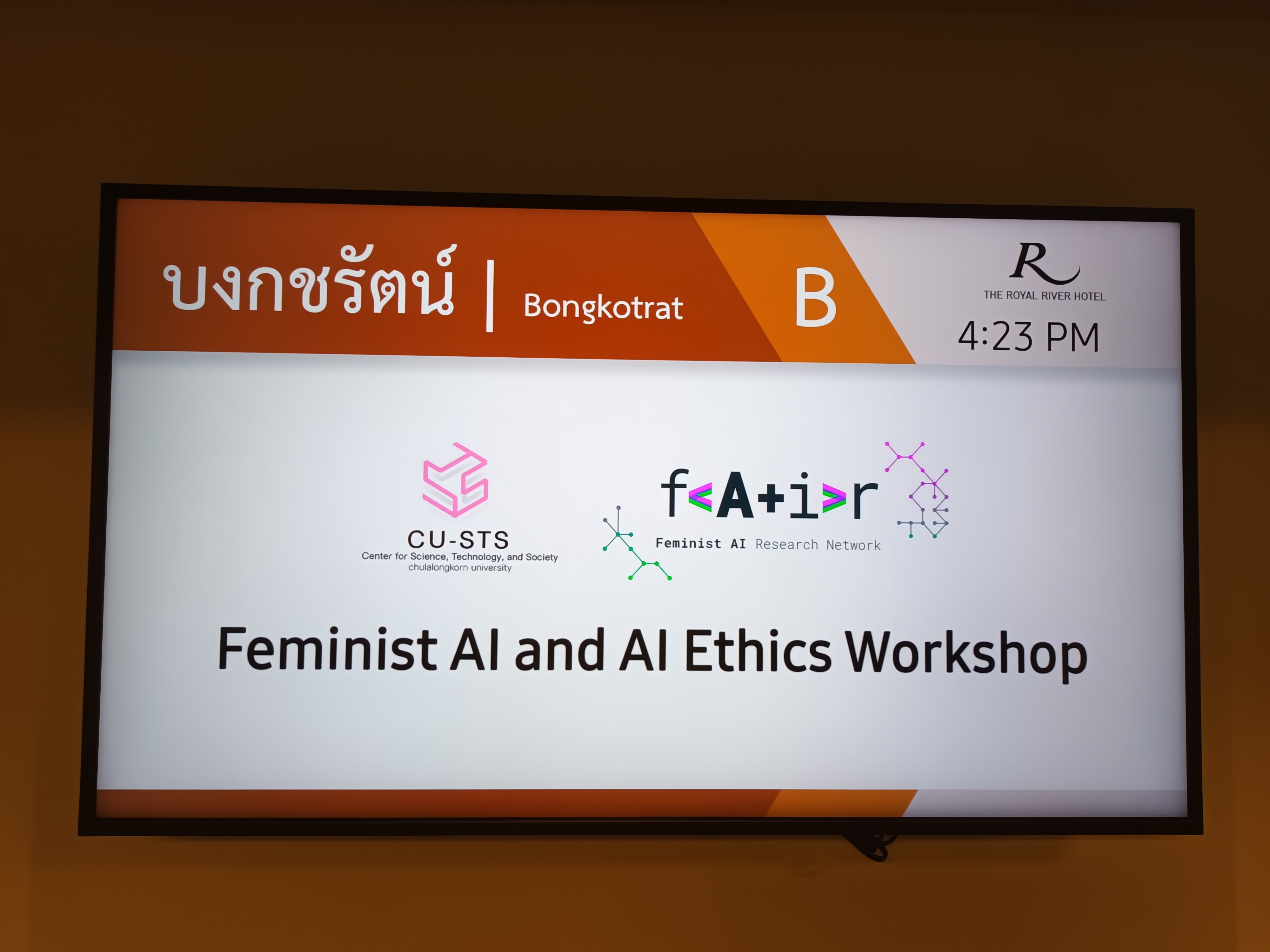
On May 20, 2022, the Southeast Asian Hub of the “Incubating Feminist AI Project” launched its first capacity building workshop, entitled “Feminist AI and AI Ethics” at the Royal River Hotel in Bangkok. The workshop is part of the series of activities organized by the f<A+i>r network, a group of scholars and activists who join together to think about how AI could contribute to a more equal and inclusive society. The Project is supported by a grant from the International Research Development Centre, Canada.
The event was attended by around twenty participants from various disciplines and backgrounds. The aim of the workshop was to equip participants with the basic vocabulary and conceptual tools for thinking about the roles that AI could play in engendering a more inclusive society.
The workshop was opened by Suradech Chotiudomphant, Dean of the Faculty of Arts, Chulalongkorn University. Dr. Jittat Fakcharoenphol and Dr. Supavadee Aramvit were also presented at the Workshop. Jittat was the lead discussant and would take a key role in the group discussion, and Supavadee was a member of the Southeast Asia Hub of the Project. Then Dr. Soraj Hongladarom, Director of the Center for Science, Technology, and Society, presented a talk on “Why Do We Need to Talk about Feminist Issues in AI?” After presenting a brief definition and history of AI, Soraj talked about the reasons why we needed to consider feminist issues in AI, as well as other issues concerning social equality. Basically, the reasons are that gender equality is essential for the economic development of a nation. A nation where both women and men are given the same opportunities and equal rights will be more likely to create prosperity that will benefit everyone, especially when compared with a society that does not give women equal rights and opportunities. Furthermore, there is also a moral reason: Denying women their rights would be wrong because inequality itself is morally wrong. Then he talked about the various ways in which AI had actually been used, either intentionally or not, in such a way that the rights of women were violated. For example, AI has been used to calculate the likelihood of repaying loans. If the dataset is such that women are perceived by the algorithm as being less likely to repay, then there is a bias in the algorithm against women, something that needs to be corrected. Toward the end, Soraj mentioned that the Incubating Feminist AI project was currently launching a call for expressions of interest, where everyone was invited to submit. Details of the call can be found here.

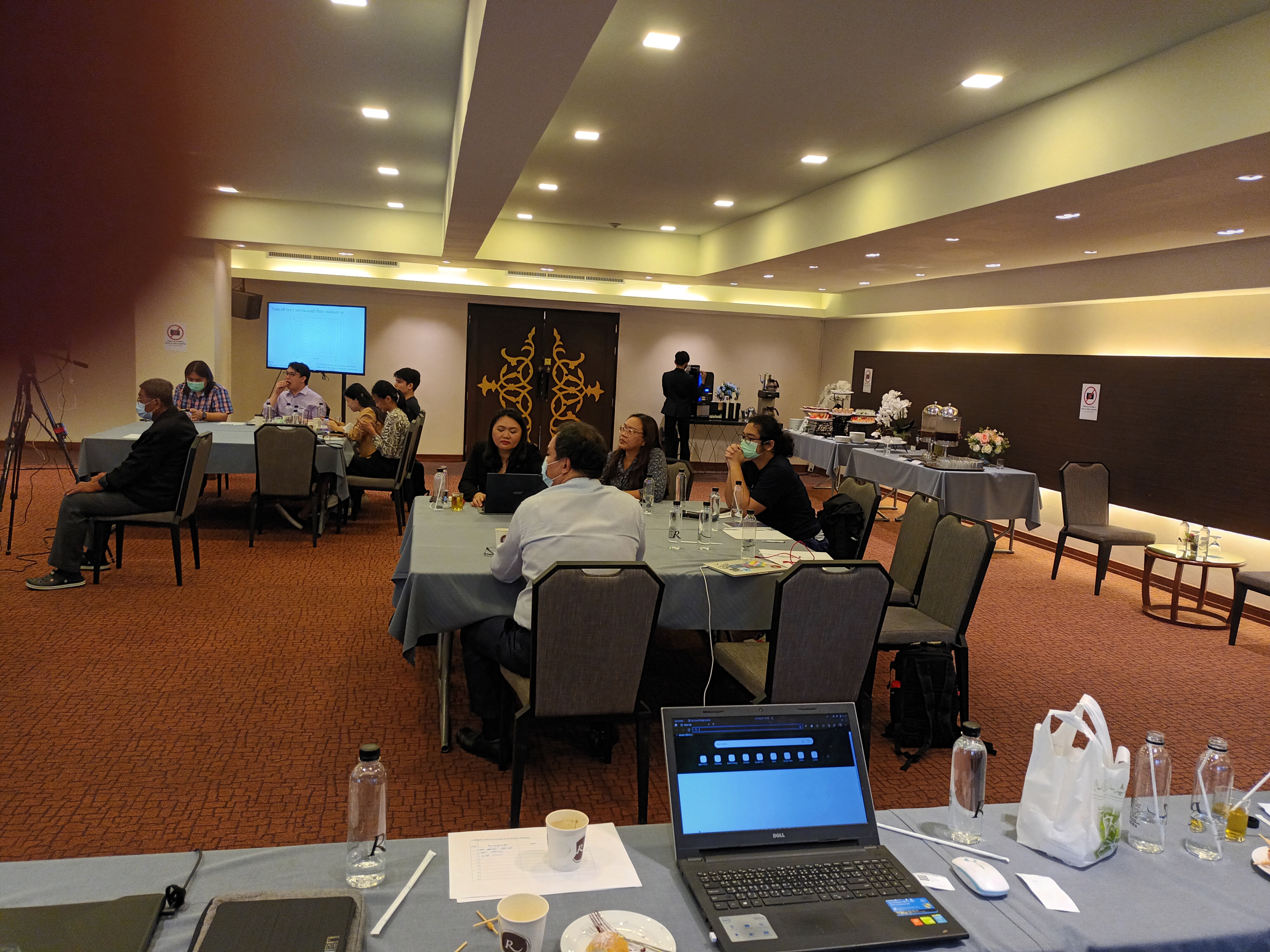
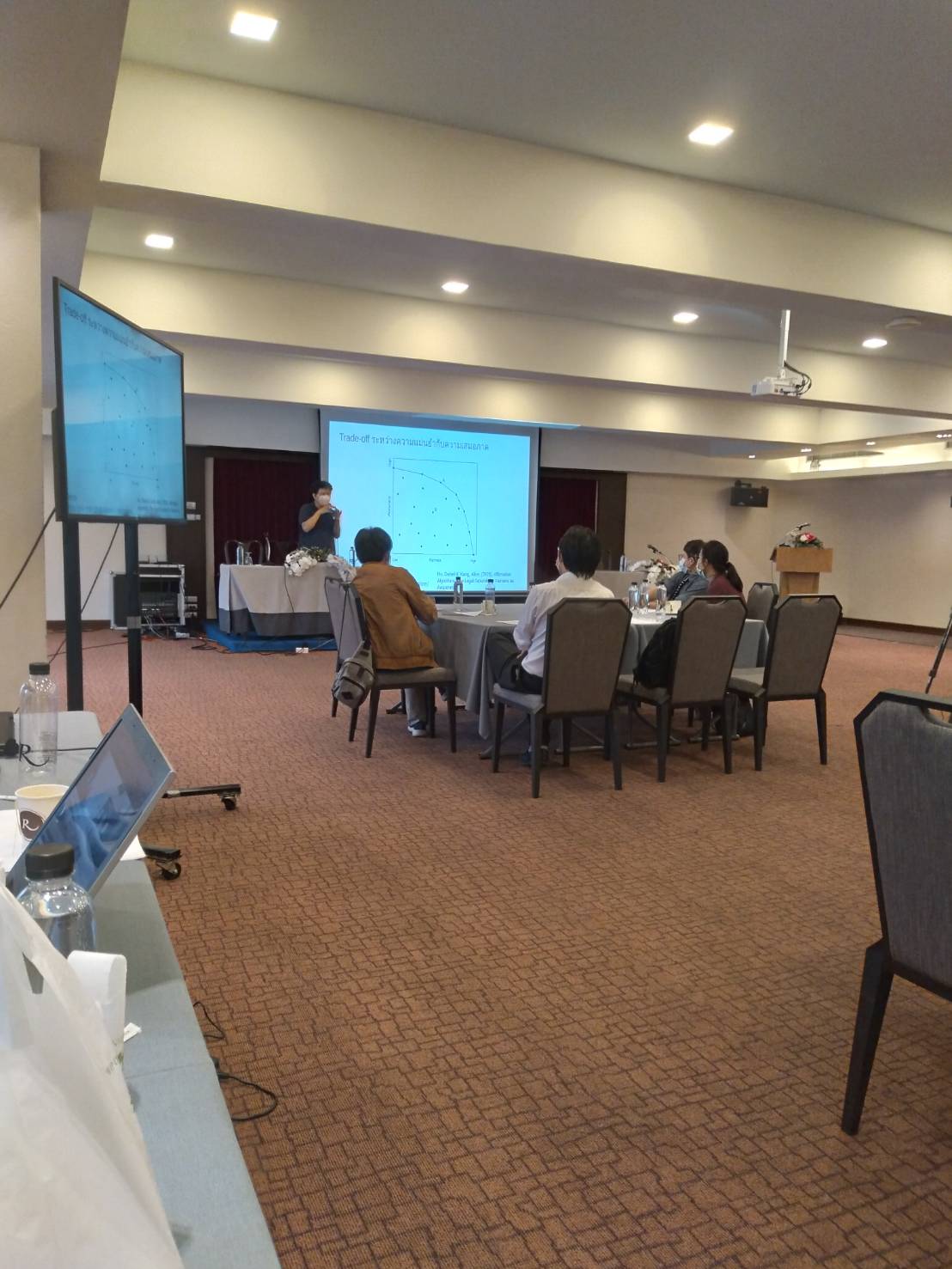
Afterwards, the actual workshop began, with a lead talk and discussion by Dr. Jittat Fakcharoenphol from the Department of Computer Engineering, Faculty of Engineering, Kasetsart University. Jittat talked about the basic concepts in machine learning, the core matter of today’s AI, and then he presented the group with three cases for them to discuss, all of which were concerned with feminist issues in various applications of AI. These were feminist issues in AI in medicine, in facial recognition, and in loan and hiring algorithms. The participants divided themselves into three groups; they then chose a topic and started to have their discussion very actively. After about an hour of group discussion, each group presented to others what they had discussed and what their recommendations were. The participants showed a strong interest in the topics and everyone was convinced that AI needed to become more socially aware and that more work needed to be done to see in detail what exactly socially aware AI is going to be.
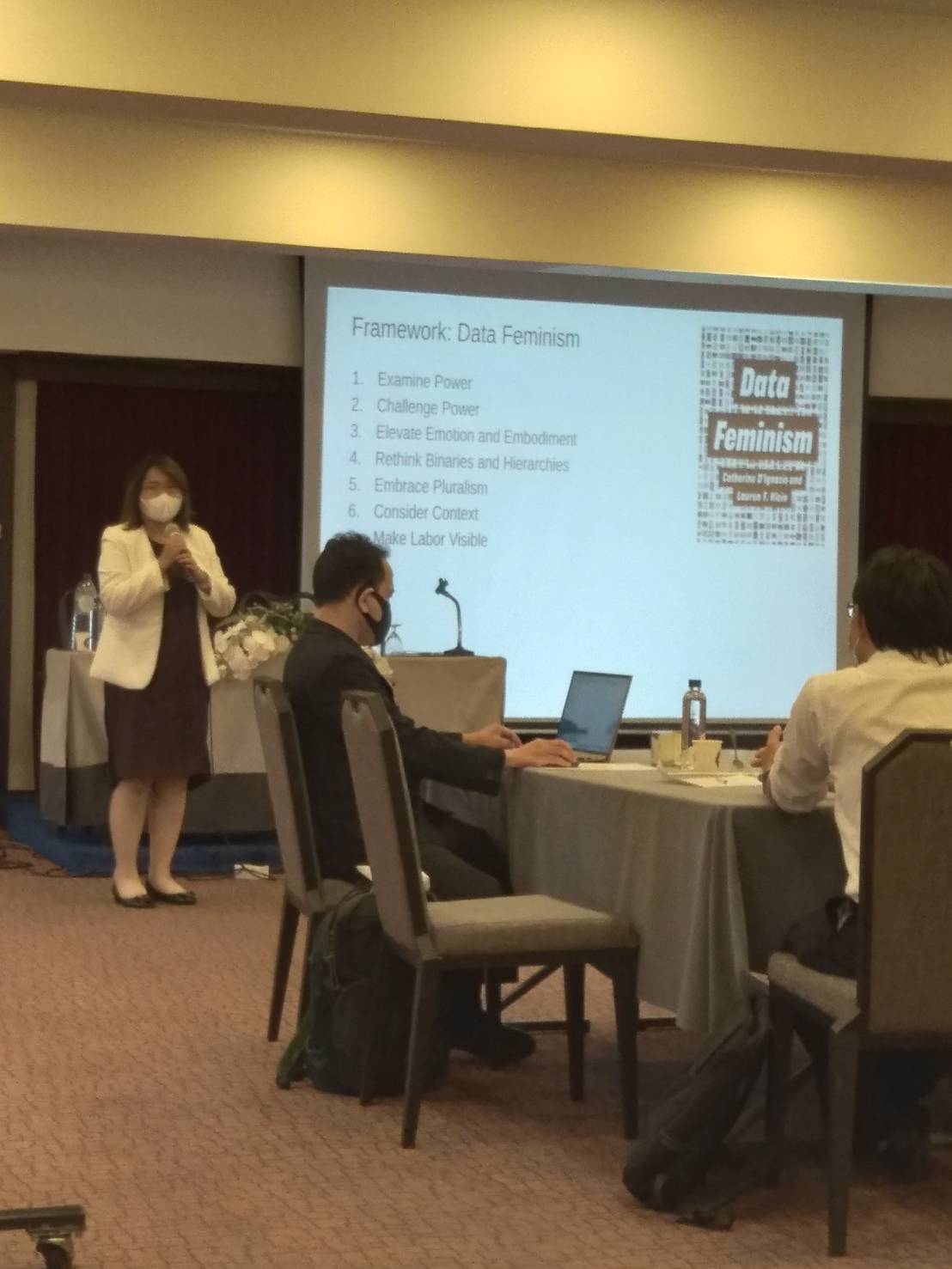
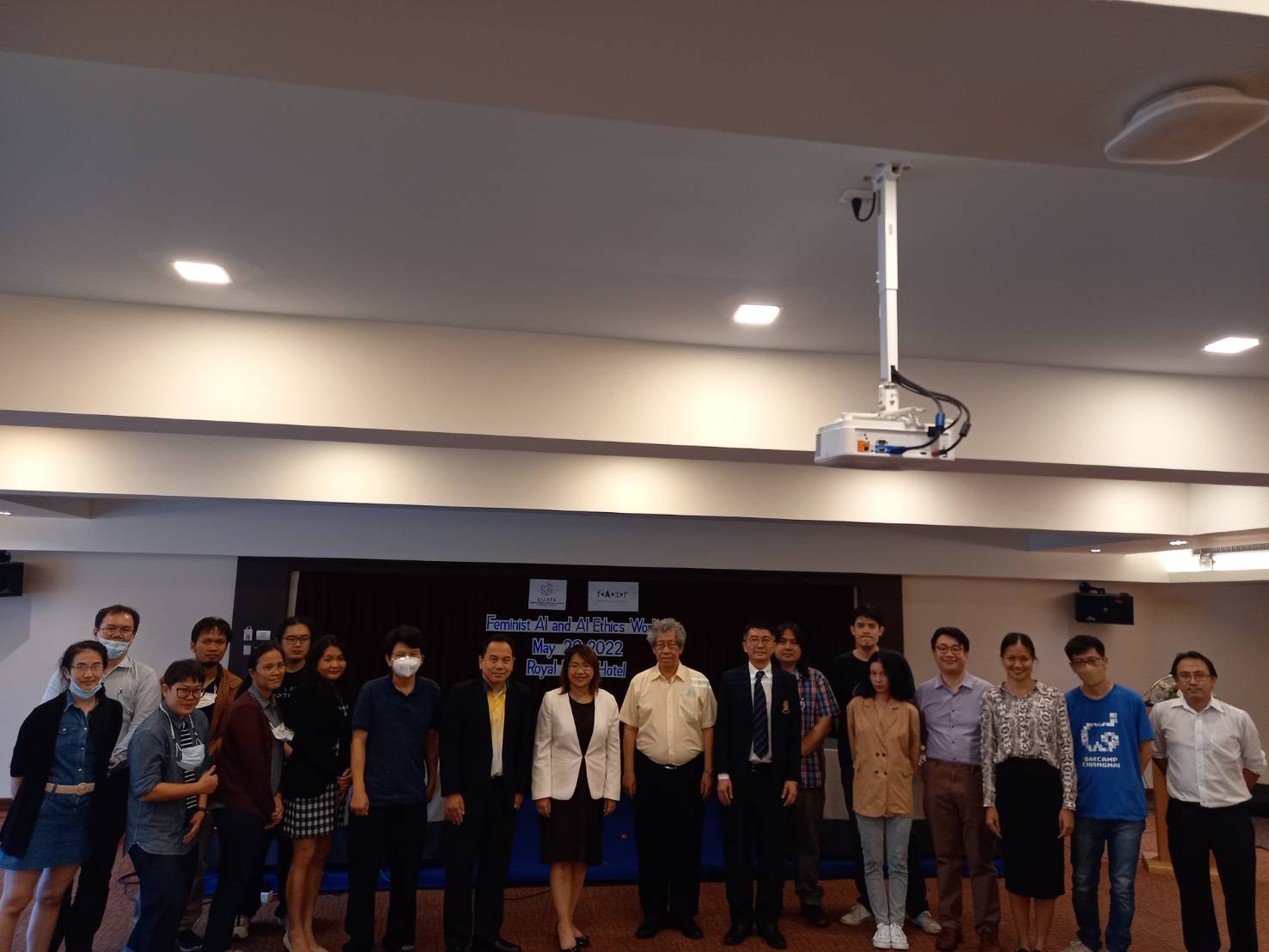
At the end of the meeting, Dr. Supavadee talked about her reflection on the Workshop and gave a closing speech. The workshop in fact was the first one, to my knowledge, that was engaged with feminist topics in AI, and it was a credit to the IDRC and the Incubating Feminist AI project that a seed was planted in Thailand and in Southeast Asia regarding the awareness that we must consider how AI can contribute to a more equal and more inclusive society, and how the traditional unequal status of women, especially in this part of the world, could be redressed through this technology.

 Center for Science, Technology, and Society