Categories
Uncategorized

Program of the 29th PARST Conference

December 19-20, 2025

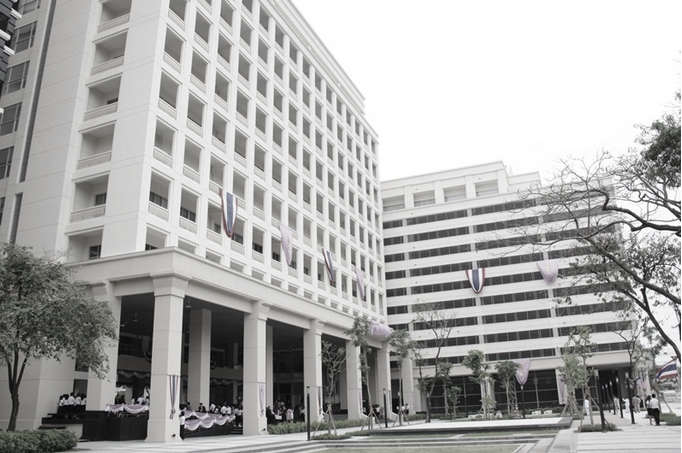
Mahachakri Building, Faculty of Arts, Chulalongkorn University
Friday, December 19, 2025

Morning Session

Room 401/5

9:00 – 9:15   Opening Ceremony

Award Presentation Ceremony to students who won the National Philosophy Olympiad and represented Thailand at the International Philosophy Olympiad

9:15 – 10:15Keynote Lecture: “Distributive Justice and Animals,” Paula Casal (Law Department, ICREA & Pompeu Fabra University, Barcelona)

10:15 – 10:45 Coffee Break

Paper Presentations, Morning Session

Room 401/5

10:45 – 11:15  Jeremiah Joven Joaquin “Ricardo R. Pascual’s Partyless Democracy”

11:15 – 11:45  Jiani Zhong “Free Will as An Essentially Contested Concept”

11:45 – 12:15 Fatiha Bouzid “The Covenant of the Machine: Founding Artificial Intelligence on Principles of Religious and Philosophical Wisdom”

Room 401/8

10:45 – 11:15 Yannick Essengue Amougou “The topic of Vitalism: African philosophy and religion as a being-with”

11:15 – 11:45 Benjamin Ivry “Novelizing Political Equality: Rereading the Political Philosophy and Fiction of Benjamin Constant”

11:45 – 12:15 Henry H Vumjou “Publicity as a Safeguard for Equal Political Freedom”

12:15 – 13:00 Lunch

Afternoon Session

Paper Presentations, Afternoon Session

Room 401/5

13:00 – 13:30 Hazel Biana “Rethinking Feminist Solidarity in the Age of Intersectional Crises”

13:30 – 14:00 Sira Nukulkit “Exogenous Distribution and Distributive Justice: From Rawls to Sen and Back to Sraffa”

14:00 – 14:30 Dyuti Ghosh “Co-cognition and Co-operation: a methodological journey towards a greater “Us””

15:00 – 15:20 Coffee Break

15:20 – 15:50 John Gould “Thomas Muntzer and the Apocalypse of the Self”

15:50 – 16:20 Leif Thomas Olsen “The Citizen Lobby from Capacity to Influence”

16:20 – 16:50 Lucas Scripter “Arboreal Atmospheres in Urban Spaces: Reflections on Hong Kong’s Banyans”

Room 401/8

13:00 – 13:30 Yuval Jobani “Women of the Wall: Navigating Religion in the Public Sphere”

13:30 – 14:00 Mohammad Mahdi Fallah “Foundations for a Just Polity: Political Equality and Social Justice in the Thought of Morteḍā Moṭahharī”

14:00 – 14:30 Maciej Czerkawski “Being Is Not a Non-Universal Kind: Rethinking the Ontological Difference”

14:30 – 15:00 Shane Ryan “Epistemic Environments and Distributive Justice”

15:00 – 15:20 Coffee Break

15:20 – 15:50 Kristine Ann C. Alcazar “Production of New Realities: A Foucauldian Examination of AI Governance in the Philippines”

15:50 – 16:20 Francesco Menichetti “Being-with-one-another: The ontological foundation of democracy in Jean-Luc Nancy”

16:20 – 16:50 ประชุมใหญ่สามัญประจำปี สมาคมปรัชญาและศาสนาแห่งประเทศไทย และพิธีปิด – General Assembly of the Philosophy and Religion Society of Thailand, and Closing Ceremony

Saturday, December 20, 2025

Morning Session

Room 401/5

9.00 – 13:00  Plenary Panel: “Political Equality and Political Philosophy,” convened by Prach Panchakunathorn, Department of Philosophy, Stanford University

Program

9.00 – 9.45 Kasper Lippert-Rasmussen (Aarhus), “Discrimination by Classification”

9.45 – 10.30 Tom Parr (Warwick), “Markets, Firms, and the Gender Pay Gap”

10.30 – 10.45 Coffee Break

10.45 – 11.30 Areti Theofilopoulou (Warwick), “”Why Didn’t She Leave?” Control without Coercion”

11.30 – 12.15 Andrew Williams (ICREA & Pompeu Fabra University, Barcelona), “Why I Am Not A Republican”

12.15 – 13.00 Prach Panchakunathorn (Warwick), “Rescues and Public Cost-Sharing”

13:00 – 14:00 Lunch

Afternoon Session

Paper Presentations, Afternoon Session

Room 401/5

14:00 – 14:30 Leo Deng “Sartre, Equality, and the Existential Dialectic”

15:00 – 15:30 Veronica Cibotaru “Is there computational creativity?”

15:30 – 16:00 Rituparna Roy, Paula Silva “Words Without Knowledge: Augustine in the Era of LLM”

16:00 – 16:15 Coffee Break

16:15 – 16:45 Lorraine K C Yeung and Daisy Pui Lun Chow “I wish I don’t have to depend on it, but…”: Moral oscillation amidst embracing ChatGPT in higher education”

16:45 – 17:15 Jesse Lewis Hill “Don’t say farewell to the modal theory of luck: A reply to He”

Room 401/8

14:00 – 14:30 Meha Mishra “Revisiting Arjuna’s Dilemma through Deontic Lens”

14:30 – 15:00 Rajat Pal “The Relationship Between Divine Authorship and Vedic Texts: A Critical Analysis of the Nyāya School’s Arguments Against the Mīmāṁsā School”

15:00 – 15:30 Julien Paret “I Will Always Be Against: Egor Letov’s Ontological Nothingness and the Political Equality of Rebellion”

15:30 – 16:00 Jordan Scott “Racism: Not a System, Not an Ideology”

16:00 – 16:15 Coffee Break

16:15 – 16:45 Prasenjit Biswas “Acts of Forgiving: Arguing for Decolonial Pluralism of Justice and Guilt”

16:45 – 17:15 Ionut Untea “Translation, Pro-existence and Sensus Communis as Incentives towards the Political”

Room 401/11 Papers in Thai Language

14.00 – 14:30  ณัฏฐพล บุณยพิพัฒน์ “มองเตสกิเออในปรัชญาทางการเมือง: สรุปและวิพากษ์”

14:30 – 15:00  ภัทรพล เป็งวัฒน์ “ทะลายกรอบคิดความเป็นชาย: อ่านภาพยนตร์ The Stones: พระแท้ คนเก๊ ผ่านเลนส์สตรีนิยมหลังมนุษยนิยม”

15:00 – 15:30  ณัฏฐพล ปราบริปู “ปัญหาความไม่เท่าเทียมกันผ่านสิทธิในทัศนะของอาเธอร์ โชเปนเฮาเออร์”

15.30 – 15.45  พักน้ำชา กาแฟ อาหารว่าง – Coffee Break

15:45 – 16:15  Angela Pangthipampai “จากรัฐถึงศาสนา: ความเหลื่อมล้ำของวิถีชีวิตแม่ชีไทย”

16:15 – 16:45  ทชากร กอกเผือก “การแปรสถานะภาพจากนักเรียนสู่ประชาชน ผ่านการตีความภาพยนตร์ เรื่อง From Up on Poppy Hill (ร่ำร้องขอปาฏิหาริย์)”

16:45 – 17:15  ธรรมชาติ อุดมทองสกุล “วิเคราะห์วรรณกรรมเรื่องแอนิมอลฟาร์มผ่านแนวคิดของคาร์ล มาร์กซ์”

17:15 – 17:45  กฤตภาศ ศักดิษฐานนท์ “ข้อโต้แย้งต่อแนวคิดของมาเคียเวลลีเรื่องการปกครองด้วยความกลัว”

17.45 Room 401/5 – Closing 

Registration

Registration fees for paper presenters: 1,200 Baht, payable in cash only at the conference site

Fees for non-paper presenting audience: 500 Baht, payable in cash only at the conference site

Categories
conference

Love and Friendship across Cultures – Philosophy Meeting

The First Joint Meeting of the Philosophy and Religion Society of Thailand, and the Philosophical Association of the Philippines

“Love and Friendship across Cultures”

July 26-27, 2019

Chulalongkorn University, Bangkok, Thailand

Call for Papers

The Philosophy and Religion Society of Thailand (PARST) and the Philosophical Association of the Philippines (PAP) have agreed to organize a joint meeting for the first time at Chulalongkorn University in Bangkok, Thailand from July 26 to 27, 2019. The meeting will provide an opportunity for philosophers and scholars of related field to share their ideas and research findings which will lead to further networking, improvement of research and teaching quality, as well as opening up opportunities for more outreaching activities to the general public.

Papers are being called for the Joint Meeting. The theme of the Joint Meeting is “Love and Friendship across Cultures”. Papers within this broad topic will be considered; however, papers in any field within philosophy itself are in fact eligible. Papers should be between 3,000 to 6,000 words long, including footnotes and list of works cited, and they should follow the Chicago style of citation. Papers selected for presentation at the Joint Meeting will be selected again for publication either in the Journal of the Philosophy and Religion Society of Thailand or the Journal of the Philosophical Association of the Philippines.

Keynote Speakers

Suwanna Satha-anand

Pankaj Jain

Important Dates

Deadline for submission of papers: May 31, 2019

Notification to authors: Before June 20, 2019

Joint Meeting: July 26-27, 2019

Registration

Members of the PARST and the PAP: 1,000 Baht

Non-members: 1,200 Baht

Registration fees need to be paid in full and in cash at the conference site at the time of the conference. Registration fees include conference material, lunches and coffee break.

Members of the PARST should send their papers to Dr. Pagorn Singsuriya, email: pagorn.sin@gmail.com. Members of the PAP should send their papers to Dr. Jeremiah Joven Joaquin, email: jeremiah.joaquin@dlsu.edu.ph. Non-members can choose to send their papers to either places, but cannot submit their papers to more than one place at one time.   


Categories
conference

Joint International Conference

The First Joint Meeting of the Philosophy and Religion Society of Thailand, and the Philosophical Association of the Philippines

“Love and Friendship across Cultures”

July 26-27, 2019

Chulalongkorn University, Bangkok, Thailand

Call for Papers

The Philosophy and Religion Society of Thailand (PARST) and the Philosophical Association of the Philippines (PAP) have agreed to organize a joint meeting for the first time at Chulalongkorn University in Bangkok, Thailand from July 26 to 27, 2019. The meeting will provide an opportunity for philosophers and scholars of related field to share their ideas and research findings which will lead to further networking, improvement of research and teaching quality, as well as opening up opportunities for more outreaching activities to the general public.

Papers are being called for the Joint Meeting. The theme of the Joint Meeting is “Love and Friendship across Cultures”. Papers within this broad topic will be considered; however, papers in any field within philosophy itself are in fact eligible. Papers should be between 3,000 to 6,000 words long, including footnotes and list of works cited, and they should follow the Chicago style of citation. Papers selected for presentation at the Joint Meeting will be selected again for publication either in the Journal of the Philosophy and Religion Society of Thailand or the Journal of the Philosophical Association of the Philippines.

Important Dates

Deadline for submission of papers: May 31, 2019

Notification to authors: Before June 20, 2019

Joint Meeting: July 26-27, 2019

Registration

Members of the PARST and the PAP: 1,000 Baht

Non-members: 1,200 Baht

Registration fees need to be paid in full and in cash at the conference site at the time of the conference. Registration fees include conference material, lunches and coffee break.

Members of the PARST should send their papers to Dr. Pagorn Singsuriya, email: pagorn.sin@gmail.com. Members of the PAP should send their papers to Dr. Jeremiah Joven Joaquin, email: jeremiah.joaquin@dlsu.edu.ph. Non-members can choose to send their papers to either places, but cannot submit their papers to more than one place at one time.


Categories
conference Uncategorized

Call for Papers – Meeting of the PARST

Call for Papers
Annual Meeting of the Philososphy and Religion Society of Thailand

This year’s annual meeting of the Philosophy and Religion Society of Thailand will be held at the campus of Mahachulalongkornrajavidyalaya University, Khon Kaen campus, Khon Kaen, Thailand, on December 15 to 16, 2018.

http://kk.mcu.ac.th/

The theme of the conference this year is “Philosophy and Religion in the Thai Education System: Myths and Realities”.

Papers do not have to be directly related to the theme of the conference, but they need to be within either philosophy or religion. Each submitted paper will be reviewed by a selection committee to be set up by the Society.

Papers must be no more than 10 A4 pages long, including all notes and references, and they can be written in either English or Thai.

The last day for submitting papers is November 15, 2017. Those who submitted papers will be notified of the result by November 30.

Papers presented at the annual meeting will then again be selected for possible publication in the Journal of the Society.

Contact person: Jerd Bandasak at parstthailand@gmail.com

Categories
Uncategorized

First Digital Democracy Conference Bangkok

Center for Ethics of Science and Technology, Chulalongkorn University,
Siam Intelligence Unit (support by Thai Health Promotion),
Thai Netizen Network and Noviscape Consulting Group

20 November 2012, 9:00 – 16:00
Room 310 and Room 815, Maha Chakri Building,

Faculty of Arts, Chulalongkorn University, Bangkok

The Internet has revolutionized the way of communication and has become a global connection network for everyone. The new level of connectivity and computer-mediated social interaction has slowly changed not only digital awareness of citizens, in terms of access to communication and privacy, but has also increased political awareness and public participation in political issues. Furthermore, the Internet has become a channel for the voices of citizens enabling all kinds of new political forces. And soon the Internet itself could be a major political cause.
This conference aims to explore a wide field of digital democracy from different points of view. We would like to initiate a new multidisciplinary research field to explore the arising issues related to digital democracy, especially in Southeast Asia. Furthermore, we would like to reach policy makers and IT-professionals, in order to cross communicate between both groups, especially in the issues concerning the use of information and communication technologies and strategies in political and governance processes.
This one day conference consists of public and invited sessions. The morning session is open for the public with six 20-minutes talks on different topics concerning digital democracy. The afternoon session will be a discussion round in a closed group with invited guests. We would like to brainstorm new ideas for further field building in digital democracy and research tracks. Engaging trans-disciplinary ideas to formulate a cluster of knowledge excellence in digital technology and democratization.

Objectives:

1.    To build-up digital democracy as a new research and knowledge field in both higher educational institutes and other research-oriented organizations.
2.    To establish a group of researchers and practitioners from various disciplines in order to generate and disseminate knowledge and issues regarding to cyberspace participation, digital politics, rights and ethics, technological and social changes, and other forthcoming agendas relating to digital democracy in Thailand and other Asian countries.
3.    To create a high quality and dynamic space for ideas, openness, dignity, embracement, and inclusion for cyber-citizens and other bodies.

We would like to examine digital democracy from a number of perspectives throughout the conference. The topics are as following.

1. Socialization of digital technologies
Accessibility is the most important requirement of digital democracy (e.g. Internet accessibility in Thailand is still around 20-25%). The digital divide is not only an issue of physical accessibility e.g. lack of digital facilities, but also an issue for disabled people and senior citizens. The use of social and digital media for each institution needs to be inclusive, otherwise the prevailing digital divide – between the haves and have-nots – will prevent certain groups of citizens to actively take part in this so-called participatory governance. This raises the issue of fairness – fair and equal involvement of all citizens, otherwise it will lead to the segregation of the citizens and create second-class citizens – those who are disconnected.

2. Technological innovation and political space
Open government is a governance approach, which encompasses the principles of “information transparency, public engagement, and accountability”. Open government, however, requires a holistic approach on policies, the legal and regulatory framework, institutional structure, and process. An overall strategy or direction, at both the national and agency-level, on the use of social media should be in place. Without this, it might lead to confusion for both officers and citizens. For example, what kind of information should be released or communicated on official channels and what should be done via social media and who should be in charge.

3. Digital space & communication style
New media and hate speech: Political discussions seem to be more heated online. How can we respond to hate speech or even identify any content as such? How can we establish a constructive discussion culture?
Digital censorship and self censorship: The extent of Internet Censorship varies on a country-to-country basis. Moreover, some countries have little Internet Censorship, while other countries go as far as to limit the access of information to such matters as the news and suppress discussion among the internet population. Internet Censorship also occurs in response to or in keenness of events such as elections, protests, and riots. Governments across Southeast Asia share different degrees of authoritarian style digital censorship. Governmental monitoring of internet usage and blocking of international sites can be seen in Burma, Cambodia, the Philippines, Thailand, and Vietnam (Doherty, 2010). It is likely that censorship will be increased due to the events of the Arab Spring, Thailand’s Political Turmoil, and Myanmar political unrests.

4. Institutionalization of digital politics
ON-OFF line: The line between online and offline participation in politics is disappearing. How can we channel online enthusiasm into real-world action? What can we learn from online petitions or online recruitments for political purpose in Thailand? What can we learn from Malaysia with its strongest digital politics movement in Southeast Asia?
Political Party & Cyberspace: What could we do for more digital democracy? Does it have to be a political party? Is it enough to establish a movement? (e.g. BIG Trees project and Bangkok Bicycle Campaign). What does an initiative need to become a movement? (e.g. mainstreaming, sharing bite-size information that people can feel connected).

5. Digital security:
Security is a timely issue among governmental agencies. Apart from traditional security that has been associated with national defense and international diplomacy, a non-traditional security issue emerges from “grand challenges” like natural disasters, change of technological regime, emerging diseases or climate change, and other new threats, become a new normal of daily life. Digital technology accelerates social change and the way national security being conform. New key players have more involvement with both security domains. In this aspect, digital security is a bridge between traditional and non-traditional security and will ultimately blur the existing paradigm on categorization of social and security institutions.

6. Strategy and internationalization of digital politics
Digital Democracy in SEA context: Considering the ASEAN members, e-Participation in the region, with the exception of Singapore, does not seem to be progressing satisfactorily. In 2012, for example, Malaysia and Brunei are in the top twenty rankings, while Thailand, Indonesia, the Philippines, and Vietnam have managed to be ranked within the top thirty, whereas data prohibits meaningful rankings for Myanmar, Cambodia and Laos. The utilization of digital and social media by government agencies in those countries to reach out to their citizens is not a common practice. ASEAN governments in general, and Thailand in particular, have not yet been able to capitalize on the popularity and tremendous growth of social media despite the obvious growth of social media use among their citizens. How is the use of digital media in political issues in other countries in Southeast asia? What can we learn from their situation?

Program (Tentative)

Public session: Room 310, Maha Chakri Building

9:00 – 9:30
Registration

9:30 – 9:45
Introduction and opening remarks, Dr. Jittiporn Chaisaingmongkol
Speaker session hosted by Dr. Pun-Arj Chairatana

9:50 – 10:10
Socialization of digital technologies: Digital divide, Dr.Kasititorn Pooparadai, NECTEC

10:10 – 10:30
Net Neutrality, Dr. Soraj Hongladarom, Chulalongkorn University

10:30 – 10:50
Digital security, Dr. Teeranan Nandhakwang

10:50 – 11:10
Digital space & communication style: New media and hate speech, Dr. Pirongrong Ramasoota Rananand, Chulalongkorn University

11:10 – 11:30
Countering Hate Speech: Wikipedia as a Socio-technical Solution?, Dr. Chanchai Chaisukkosol

11:30 – 11:50
Institutionalization of digital politics: ON-OFF line, Sombat Boonngamanong

11:50 – 12:00
Closing remarks for public session

12:00 -13:00
Lunch

Invited session:  Room 815, Maha Chakri Building

13:00 – 14:30
Roundtable discussion I hosted by Pichate Yingkiattikun

14:30 – 14:45
Coffee break

14:45 – 15:45
Roundtable discussion II

15:45 – 16:00
Closing and concluding remark by Dr. Soraj Hongladarom

Categories
conference

First Digital Democracy Conference Bangkok

This conference aims to explore a wide field of digital democracy from different points of view. We would like to initiate a new multidisciplinary research field to explore the arising issues related to digital democracy, especially in Southeast Asia.

Furthermore, we would like to reach policy makers and IT-professionals, in order to cross communicate between both groups, especially in the issues concerning the use of information and communication technologies and strategies in political and governance processes.

This one day conference consists of public and invited sessions. The morning session is open for the public with six 20-minutes talks on different topics concerning digital democracy. The afternoon session will be a discussion round in a closed group with invited guests. We would like to brainstorm new ideas for further field building in digital democracy and research tracks. Engaging trans-disciplinary ideas to formulate a cluster of knowledge excellence in digital technology and democratization.

The conference will be in Thai

Program (Tentative)
Date: November 20, 2012
Public session: Room 310, Maha Chakri Building

9:00 – 9:30 Registration
9:30 – 9:45 Introduction and opening remarks
Dr. Jittiporn Chaisaingmongkol
Speaker session hosted by Dr. Pun-Arj Chairatana
9:50 – 10:10 Socialization of digital technologies: Digital divide
Dr.Kasititorn Pooparadai, NECTEC
10:10 – 10:30 Net Neutrality
Dr. Soraj Hongladarom, Chulalongkorn University
10:30 – 10:50 Digital security
Dr. Teeranan Nandhakwang
10:50 – 11:10 New media and hate speech
(Speaker to be announced)
11:10 – 11:30 Countering Hate Speech: Wikipedia as a
Socio-technical Solution?
Dr. Chanchai Chaisukkosol
11:30 – 11:50 Institutionalization of digital politics: ON-OFF line
Sombat Boonngamanong
11:50 – 12:00 Closing remarks for public session

12:00 -13:00 Lunch

Invited session: Room 815, Maha Chakri Building
13:00 – 14:30 Roundtable discussion I hosted by
Pichate Yingkiattikun
14:30 – 14:45 Coffee break
14:45 – 15:45 Roundtable discussion II hosted by
Pichate Yingkiattikun
15:45 – 16:00 Closing and concluding remark by
Dr. Soraj Hongladarom

Organized by Center for Ethics of Science and Technology, Chulalongkorn University, Siam Intelligence Unit (support by Thai Health Promotion), Thai Netizen Network and Noviscape Consulting Group

Categories
conference

Report – “Ethics and Meaningful Broadband”

การประชุมเชิงปฏิบัติการ “จริยศาสตร์ ความเป็นอยู่ที่ดี และบรอดแบนด์ที่มีความหมาย”


เมื่อวันอังคารและพุธที่ ๑๖ กับ ๑๗ สิงหาคม พ.. ๒๕๕๔ โครงการวิจัยเทคโนโลยีสารสนเทศเพื่อการเป็นอยู่ที่ดีได้จัดการประชุมเชิงปฏิบัติการนานาชาติเรื่อง “จริยศาสตร์ ความเป็นอยู่ที่ดี และบรอดแบนด์ที่มีความหมาย” (Ethics, Well-being and Meaningful Broadband) ที่ห้อง ๑๐๕ อาคารมหาจุฬาลงกรณ์ จุฬาลงกรณ์มหาวิทยาลัย ซึ่งเป็นส่วนหนึ่งของการดำเนินงานของโครงการ โดยมีวัตถุประสงค์เพื่อตอบคำถามสำคัญๆเกี่ยวกับแนวทางการใช้ประโยชน์สูงสุดจากเทคโนโลยีเพื่อให้เกิดความเป็นอยู่ที่ดี โครงการได้เรียนเชิญนักวิชาการที่มีชื่อเสียง โดยเฉพาะ Dr. Peter Hershock จาก East-West Center มหาวิทยาลัยฮาวาย ซึ่งกรุณารับเชิญมาเป็นผู้บรรยายหลักของการประชุม บทนี้จะเป็นรายงานการประชุมครั้งสำคัญนี้ ผลจากการประชุมนี้เป็นผลงานหลักอีกส่วนหนึ่งของงานวิจัยชิ้นนี้

หลักการและเหตุผล

การเสนอเครือข่ายบรอดแบนด์ในประเทศไทยที่ผ่านมาเต็มไปด้วยความท้าทายหลายประการ ซึ่งเป็นเรื่องของการกำกับดูแลและการต่อสู้ทางการเมือง กลุ่มต่างๆพยายามที่จะแย่งชิงผลประโยชน์อันมหาศาลที่มาจากเครือข่ายนี้ และแน่นอนว่าไม่มีใครอยากจะเป็นฝ่ายพ่ายแพ้ การต่อสู้นี้ทำให้เกิดภาวะชะงักงันซึ่งไม่ก่อประโยชน์ให้แก่ฝ่ายใดเลย อย่างไรก็ตามในเวลานี้ก็ยังพอมีความหวังอยู่บ้างจากการที่คณะกรรมการกิจการสื่อสารและโทรคมนาคมแห่งชาติ (กสทช.) ได้รับการสรรหาและจะได้รับการโปรดเกล้าฯอย่างเป็นทางการ คณะกรรมการ กสทช. มีอำนาจหน้าที่โดยตรงในการแก้ปัญหาภาวะชะงักงันนี้ เพื่อให้ประเทศสามารถก้าวไปข้างหน้าได้

อย่างไรก็ดี แม้เมื่อ กสทช. จะได้เริ่มทำงานในเวลาอันใกล้ แต่ก็มีความท้าทายชุดใหม่เกิดขึ้น อันเป็นเรื่องของผลสืบเนื่องจากการเสนอเครือข่ายบรอดแบนด์ให้แก่สังคม เมื่อประเทศมีโครงข่ายทางกายภาพ ความท้าทายใหม่ก็จะประกอบด้วยการหาแนวทางที่จะทำให้โครงข่ายนี้เป็นประโยชน์สูงสุดแก่ประชาชน เราได้นำเสนอแนวคิดเกี่ยวกับ “บรอดแบนด์ที่มีความหมาย” ซึ่งหมายถึงการที่โครงข่ายกายภาพจะตอบสนองความต้องการไม่เพียงแต่ด้านการเจริญเติบโตทางเศรษฐกิจเท่านั้น แต่ยังต้องตอบสนองต่อระบบคุณค่าและเป้าหมายของสังคมที่ไม่สามารถวัดได้โดยตรง คุณค่าและเป้าหมายดังกล่าวนี้เองที่ประกอบขึ้นเป็น “ความหมาย” ของชีวิตของประชาชน

ตัวอย่างของการมีความหมายนี้ก็ได้แก่การที่ประชาชนจะไม่เป็นเพียงแค่ฟันเฟืองตัวหนึ่งในระบบเศรษฐกิจยักษ์ใหญ่ แต่ยังคงรักษาเป้าหมายและทิศทางของการดำรงชีวิตของตนเองเอาไว้ ดังนั้นเนื้อหาของความท้าทายชุดใหม่นี้จึงได้แก่คำถามว่า บรอดแบนด์จะกลืนเข้าเป็นส่วนหนึ่งของวิถีชีวิตของประชาชนได้อย่างไร เพื่อมิให้ประชาชนกลายเป็นเพียงฟันเฟืองในจักรกลของโลกาภิวัตน์ บริโภคนิยมและระบบเศรษฐกิจเสรีนิยมใหม่? บรอดแบนด์จะเข้าไปเป็นส่วนหนึ่งและช่วยส่งเสริมระบบคุณค่า รวมทั้งศีลธรรมคุณธรรมของประชาชนได้อย่างไร?

คำถามเหล่านี้เป็นหลักการและเหตุผลของการประชุมเชิงปฏิบัติการนานาชาติ “จริยศาสตร์ การเป็นอยู่ที่ดีและบรอดแบนด์ที่มีความหมาย” (Ethics, Wellbeing and Meaningful Broadband) ซึ่งได้จัดขึ้นที่ห้อง ๑๐๕ อาคารมหาจุฬาลงกรณ์ จุฬาลงกรณ์มหาวิทยาลัย เมื่อวันที่ ๑๖ และ ๑๗ สิงหาคม พ.. ๒๕๕๔ ที่ผ่านมา คณะผู้จัดการประชุมได้เรียนเชิญนักวิชาการผู้มีชื่อเสียงทั้งในและต่างประเทศ เพื่อมาช่วยกันระดมความคิดและค้นหาคำตอบของปัญหาดังกล่าว นอกจากนี้ในรายละเอียดการประชุมครั้งนี้มุ่งตอบปัญหาดังต่อไปนี้

. เราจะสร้างดรรชนีวัด “เศรษฐกิจพอเพียง” อย่างเป็นรูปธรรมได้อย่างไร? รัฐธรรมนูญแห่งราชอาณาจักรไทยกำหนดว่าการดำเนินนโยบายต่างๆต้องเป็นไปตามหลักเศรษฐกิจพอเพียงของพระบาทสมเด็จพระเจ้าอยู่หัว หลักการนี้ใกล้เคียงกับหลัก “ความสุขมวลรวมประชาชาติ” ของพระราชาธิบดีแห่งประเทศภูฏาน คำถามก็คือหลักการทั้งสองนี้จะแปลออกมาเป็นชุดของตัวชี้วัดและดรรชนีที่สามารถนำไปปฏิบัติจริงได้อย่างไร? คณะกรรมการ กสทช. ในฐานะผู้มีอำนาจกำกับดูแลกิจการโทรคมนาคม สามารถดำเนินการให้นโยบายบรอดแบนด์เป็นไปตามหลักเศรษฐกิจพอเพียงได้โดยตรง นโยบายเช่นการจัดสรรคลื่นความถี่ การกำหนัดอัตราภาษี สามารถเป็นไปตามหลักเศรษฐกิจพอเพียง และเป็นการดำเนินงานที่ประยุกต์ใช้หลักดังกล่าวในการบริหารกิจการสาธารณะของประเทศอย่างเป็นรูปธรรม คำถามก็คือ ในการดำเนินงานดังกล่าวนี้ จะต้องทำอย่างไรในรายละเอียดเพื่อให้เป็นไปตามหลักเศรษฐกิจพอเพียงจริงๆ? แนวทางหนึ่งที่ กสทช. สามารถทำได้คือบูรณาการระหว่างงานของ กสทช. เองกับหน่วยงานภาครัฐอื่นๆ เช่นกระทรวงศึกษาธิการ หรือสาธารณสุข เพื่อให้นโยบายการจัดสรรคลื่นความถี่ หรือการกำหนดอัตราภาษี สามารถก่อให้เกิดผลดีในด้านการศึกษา หรือสุขภาพของประชาชนคนไทยโดยรวม

. เราจะป้องกันไม่ให้เกิดความจำเป็นที่จะต้องมีการปิดกั้นข้อมูลบนอินเทอร์เน็ตได้อย่างไร? ปัญหาประการหนึ่งที่เกิดแก่ประเทศไทยซึ่งทำให้ประเทศไทยต้องตกเป็นเป้าของการวิพากษ์วิจารณ์ในระดับโลก ได้แก่การปิดกั้นข้อมูลข่าวสาร เช่นการบล๊อคเว็บไซต์ต่างๆ และการใช้กฎหมายอาญาข้อหาหมิ่นพระบรมเดชานุภาพอย่างพร่ำเพรื่อ นอกจากนี้ก็ยังมีปัญหาเกี่ยวกับเว็บลามกอนาจาร เว็บการพนัน ปัญหาทำนองเดียวกันนี้ก็เกิดขึ้นในประเทศอื่นๆในเอเซียด้วย เช่นในสิงคโปร์มีการปิดกั้นการวิพากษ์วิจารณ์รัฐบาลอย่างเข้มงวด ในจีนเป็นที่รู้กันว่ามีการปิดกั้นเสรีภาพในการแสดงออกในหลายๆด้าน การปิดกั้นการแสดงออกเช่นนี้เป็นตัวอย่างของ “การโยนเด็กไปพร้อมๆกับน้ำที่ใช้อาบ” ซึ่งหมายถึงการแก้ปัญหาที่ทำให้เกิดผลเสียมากกว่าผลดี เนื่องจากวิธีการในการแก้ปัญหานั้นทำให้กระทบต่อด้านอื่นๆของสังคมด้วย ทั้งนี้ก็เนื่องจากว่าการปิดกั้นข่าวสารแต่เพียงอย่างเดียว ทำให้การติดต่อสื่อสารบนอินเทอร์เน็ตชะงักงัน การที่อินเทอร์เน็ตจะเป็นประโยชน์ได้ก็จะต้องมีการไหลเวียนของข้อมูลข่าวสารอย่างเสรี การปิดกั้นก็เท่ากับว่าประเทศที่ปิดนั้น ปิดตัวเองออกจากประโยชน์ด้านต่างๆที่จะได้จากการมีส่วนร่วมในโลกของอินเทอร์เน็ต ดังนั้นจึงจำเป็นต้องหาวิธีที่จะป้องกันไม่ให้เกิดความจำเป็นที่จะต้องมีการปิดกั้นการไหลเวียนของข้อมูลข่าวสารตั้งแต่แรก

อย่างไรก็ตาม เราอาจคาดได้ว่าหากไม่มีการดำเนินการใดๆ แนวโน้มที่จะมีการปิดกั้นจะมีมากขึ้น เว้นแต่ว่าจะมี “ระบบนิเวศบรอดแบนด์แห่งชาติ” ที่ความหมายแก่ชาติและประชาชนจริงๆ ความจำเป็นของกลุ่มประชากรที่มีความเสื่ยงสูง เช่นกลุ่มคนยากจน ด้อยการศึกษา หรือเด็กและเยาวชน จะต้องได้รับการตอบสนอง คำถามสำคัญๆเกี่ยวกับด้านนี้ก็มีเช่น เราจะออกแบบและมีมาตรการกำกับดูแลอย่างไรเพื่อให้มีเทคโนโลยีที่รวมเอาหลักการทางศีลธรรมจริยธรรมเข้าไปอยู่ในผลผลิตของเทคโนโลยีนั้นๆด้วย? เราจะเรียนรู้จากความพยายามในการพัฒนา “ดรรชนีคุณภาพชีวิต” เช่นที่มีอยู่ในแนวคิดความสุขมวลรวมประชาชาติของภูฏานอย่างไร เพื่อให้มีมาตรการที่เป็นรูปธรรมที่ผู้วางนโยบายจะนำไปใช้ เพื่อหันเหทิศทางของการพัฒนาเทคโนโลยีให้เป็นไปในทางที่ต้องการ?

. เสนอแนวคิดใหม่ๆเกี่ยวกับ “จริยธรรมของสื่อ” ในยุคบรอดแบนด์ คำถามก็มีเช่น ยุทธศาสตร์ด้านจริยธรรมสื่อมีประวัติผลงานอะไรบ้างที่ยังผลให้เกิดการจำกัดขอบเขตของความเสียหายที่เกิดจากโทรทัศน์ และก่อให้เกิดการทำตามหลักการทางจริยธรรมโดยสมัครใจ? มีอะไรบ้างที่ทำได้หรือทำไม่ได้เกี่ยวกับการมีอิทธิพลต่อพฤติกรรมของผู้ใช้สื่อเป็นจำนวนมาก เช่นเด็กและเยาชน? มีอุปสรรคอะไรบ้างที่ทำให้การปฏิบัติตามแนวยุทธศาสตร์ด้านจริยธรรมของสื่อไม่ประสบความสำเร็จ เช่นไม่สามารถลดปริมาณการรับสื่อที่ไม่เหมาะสมของเยาวชนลงไปได้? ในยุคของบรอดแบนด์จะมีการรวมตัวกันของสื่อประเภทต่างๆ ทำให้อิทธิพลและพลังของสื่อเพิ่มขึ้นเป็นอย่างมาก งานด้านจริยธรรมสื่อจะมีการเปลี่ยนแปลงอย่างไรบ้างเพื่อให้ตอบสนองกับความท้าทายนี้ได้? ตัวอย่างของประเทศเกาหลีใต้ ซึ่งมีปัญหาเด็กติดเกมอย่างหนักจนเกิดผลกระทบเป็นวงกว้าง น่าจะเป็นบทเรียนที่ดีที่เราจะป้องกันไม่ให้เกิดเหตุการณ์แบบเดียวกันในประเทศไทย การที่เราจะรวมเอาแนวคิดด้านจริยธรรมเช่นนี้ให้เข้ากับการวางนโยบายการกำกับดูแลสื่อควรจะทำอย่างไร?

. ทำนายผลกระทบทางจริยธรรมของบรอดแบนด์ คำถามประกอบด้วย วิธีการที่ดีที่สุดในการสร้างภาพฉายสู่อนาคตเพื่อช่วยให้มองเห็นผลของทางเลือกต่างๆเกี่ยวกับผลกระทบทางจริยธรรมของบรอดแบนด์เป็นอย่างไร? สังคมที่ “มีความเป็นอยู่ที่ดี” จะต้องเป็นอย่างไรและบรอดแบนด์จะมีบทบาทในสังคมนี้อย่างไร? บรอดแบนด์จะก่อให้เกิดสังคมที่มีความเป็นอยู่ที่ดีได้อย่างไร? ผลกระทบทางจริยธรรมของบรอดแบนด์ในประเทศยากจนที่กำลังพัฒนา จะเหมือนหรือแตกต่างกับผลกระทบแบบเดียวกันในประเทศพัฒนาแล้วอย่างไรบ้าง?

. นิยัตินิยมทางเทคโนโลยี หรือเทคโนโลยีกำหนดโดยมนุษย์? ปัญหาทางทฤษฎีที่เป็นพื้นฐานของการคิดอภิปรายเกียวกับเรื่องเหล่านี้ทั้งหมด ได้แก่ทรรศนะทางปรัชญาของทรรศนะที่ตรงข้ามกัน ได้แก่นิยัตินิยมทางเทคโนโลยี ซึ่งเชื่อว่าเทคโนโลยีกำหนดทิศทางของสังคมและประวัติศาสตร์ กับทรรศนะที่เชื่อว่าเทคโนโลยีเป็นกลางและโอนอ่อนได้ตามความต้องการของมนุษย์และสังคม อย่างที่ได้เสนอไปแล้วในงานวิจัยนี้ ทางเลือกที่น่าจะเป็นมากที่สุดได้แก่ทรรศนะที่อยู่ระหว่างกลางของสองทรรศนะนี้

กำหนดการประชุม และรายงานการประชุมโดยสรุป

August 16, 2011

11.45 Lunch and Registration

13.00 “The Second Wireless Revolution: Bringing Meaningful Broadband to the Next Two Billion,” Craig W. Smith

การบรรยายของ Dr. Craig Smith ซึ่งเป็นผู้วิจัยหลักของโครงการ Meaningful Broadband ประกอบด้วยการเสนอแนวคิดหลักของโครงการ โดยเฉพาะอย่างยิ่งประเด็นว่าเหตุใดจึงต้องมีการพยายามทำให้เทคโนโลยีสื่อสาร “บรอดแบนด์” ซึ่งได้แก่การติดต่อทางอินเทอร์เน็ตผ่านระบบคลื่นวิทยุไร้สาย โดยมีอุปกรณ์ที่มีขนาดเล็กพกพาสะดวก (ในปัจจุบันได้แก่โทรศัพท์ที่เรียกว่า “smart phone” เช่น iPhone และโทรศัพท์ที่ทำงานในระบบปฏิบัติการ Android รวมทั้งคอมพิวเตอร์แท็บเบล็ต เช่น iPad และคอมพิวเตอร์ในระบบ Android เช่นเดียวกัน) เป็นอุปกรณ์หลัก เหตุผลสำคัญที่ต้องมีการขยายโครงข่ายของบรอดแบนด์ก็คือว่า การทำเช่นนี้จะเป็นการนำพาผู้ที่อยู่ใน “ระหว่างกลางของปิระมิด” หรือผู้ที่มีรายได้ปานกลาง ไม่ถึงกับเป็นคนยากจน และก็ยังไม่นับเป็นคนชั้นกลางระดับบนที่ในปัจจุบันกำลังใช้อุปกรณ์เหล่านี้อยู่แล้ว ให้เข้ามาใช้ประโยชน์จากเทคโนโลยีดังกล่าว ผลที่เกิดขึ้นจะมีสูงมากทั้งในด้านของการพัฒนาทางเศรษฐกิจและการพัฒนาปัจจัยทางสังคมด้านอื่นๆ เช่นการศึกษา วัฒนธรรม และการสาธารณสุข Dr. Smith เป็นเจ้าของวลี “Meaningful Broadband” ซึ่งหมายถึงการใช้งานเทคโนโลยีที่มุ่งไปที่ระบบคุณค่าและคุณธรรมจริยธรรมของสังคม นอกเหนือไปจากเพียงแค่การสร้างโครงข่ายการสื่อสารทางกายภาพเท่านั้น การขยายการเข้าถึงโครงข่ายบรอดแบนด์จะทำให้ผู้ที่อยู่ในตอนกลางของปิระมิด ซึ่งก็ได้แก่ประชากรส่วนใหญ่ของสังคม ได้กลายเป็นจักรกลหลักในการขยายอัตราการเจริญเติบโตทางเศรษฐกิจของประเทศ ทั้งในแง่ของการเป็นผู้ผลิตสร้างรายได้ และในแง่ของการเป็นผู้บริโภคหรือเป็นตลาดให้แก่ผลิตผลต่างๆ อันจะเป็นการสร้างตลาดภายในประเทศ ซึ่งเป็นปัจจัยสำคัญในการแก้ปัญหาภาวะผันผวนที่เกิดขึ้นในระบบเศรษฐกิจโลก ในการบรรยายนี้ Dr. Smith ก็ได้เสนอแนวคิดหลักของโครงการ ได้แก่การทำให้บรอดแบนด์มีลักษณะที่ “มีความหมาย” ในสามลักษณะ ได้แก่การมีราคาไม่แพง คนทั่วไปสามารถซื้อมาใช้ได้ การใช้งานง่าย และการให้พลังอำนาจแก่ผู้ใช้ ซึ่งหมายถึงการที่ผู้ใช้สามารถบรรลุเป้าประสงค์และระบบคุณค่าต่างๆของผู้ใช้เองได้อย่างมีประสิทธิภาพมากขึ้นด้วยการใช้งานเทคโนโลยี

14.00 “Content Regulations in the Broadband Era: Incentives and Disincentives Based Approach to Content Regulations,” by Akarapon Kongchanagul

การบรรยายถัดมาเป็นของ ดร. อัครพล คงชนะกูลจากสำนักงานคณะกรรมการกิจการโทรทัศน์ กิจการกระจายเสียงและโทรคมนาคมแห่งชาติ ดร. อัครพลเป็นนักเศรษฐศาสตร์ และได้เสนอแนวคิดที่น่าสนใจอย่างยิ่งเกี่ยวกับการกำกับดูแลเนื้อหาของอินเทอร์เน็ต เนื่องจากมีข้อโต้แย้งเป็นอันมากเกี่ยวกับว่าเนื้อหาแบบใดเหมาะสมหรือไม่เหมาะสม ซึ่งมองว่าเป็นเรื่องที่ไม่เป็นรูปธรรมและไม่อาจหาข้อยุติได้ ดร. อัครพลจึงเสนอแนวทางในการกำกับดูแลเนื้อหาตามหลักของเศรษฐศาสตร์ กล่าวคือใช้แนวทางด้านภาษีมาเป็นแรงจูงใจ กล่าวคือหากเว็บไซต์ใดเสนอเนื้อหาที่ผู้กำกับดูแลเห็นว่าไม่ควรจะให้เผยแพร่มากเกินไป ก็จะเก็บภาษีผู้จัดทำเว็บไซต์ในอัตราที่มากกว่าปกติ แต่หากผู้กำกับดูแลเห็นว่าเว็บไซต์ใดมีเนื้อหาที่ควรแก่การเผยแพร่ ก็จะมีมาตรการลดภาษี หรือแม้แต่สนับสนุนทุนให้จัดทำเว็บนั้นๆต่อไป อย่างไรก็ตามแนวคิดนี้ตั้งอยู่บนพื้นฐานที่ว่าหากเว็บใดมีเนื้อหาที่ขัดต่อกฎหมายโดยตรง ก็ต้องมีมาตรการจัดการตามกฎหมายอย่างเข้มงวด เว็บที่ไม่ได้รับการส่งเสริมทางภาษี หรือเว็บที่ถูกเก็บภาษีเพิ่ม จะต้องมีเนื้อหาที่ไม่ขัดกับกฎหมายเท่านั้น ข้อเสนอนี้ของ ดร. อัครพลก่อให้เกิดการอภิปรายอย่างกว้างขวางในที่ประชุม ประเด็นก็คือเราจะแน่ใจได้อย่างไรว่ามาตรการทางกฎหมายที่มีอยู่ มีความยุติธรรมจริงๆ ไม่ใช่เป็นกฎหมายที่ออกมาเพื่อปราบปรามฝ่ายตรงข้ามทางการเมืองที่ไม่เห็นด้วยกับผู้มีอำนาจ ประเด็นนี้อยู่นอกขอบข่ายของการบรรยายนี้ แต่ก็เป็นประเด็นสำคัญที่ไม่อาจหลีกเลี่ยงได้

14.45 “The Seven Habits of Highly Meaningful Broadband,” Arthit Suriyawongkul

การบรรยายต่อไปเป็นของคุณอาทิตย์ สุริยวงศ์กุล ซึ่งเป็นนักศึกษาระดับปริญญาโทที่มหาวิทยาลัยธรรมศาสตร์ เรื่องเกี่ยวกับเงื่อนไขเจ็ดประการของบรอดแบนด์ที่ประสบความสำเร็จ เงื่อนไขเหล่านี้ได้แก่ ๑. เศรษฐกิจกับสังคม ๒. การเมือง ๓. เทคโนโลยีสื่อ ๔. การออกแบบหน้าจอ (เชื่อมมนุษย์กับอุปกรณ์) . การออกแบบข้อมูล (ช่วยมนุษย์ตัดสินใจ) . มาตรฐาน และ ๗. วัฒนธรรม สองประเด็นแรกค่อนข้างชัดเจนว่ามีบทบาทในการที่เทคโนโลยีจะประสบความสำเร็จได้อย่างไร ปัจจัยที่สามได้แก่เทคโนโลยีกับสื่อ หมายถึงระดับของการพัฒนาเทคโนโลยีเองว่ามีความสามารถในการแก้ปัญหาหรือไม่ หากเทคโนโลยีไม่เหมาะสมก็เป็นการยากที่จะให้เทคโนโลยีนั้นๆแก้ปัญหาตามจุดประสงค์ได้ เรื่องโครงข่ายกายภาพของสื่อก็เช่นเดียวกัน แต่อย่างไรก็ตามแม้เรื่องทางกายภาพเหล่านี้จะจำเป็น แต่ก็ไม่ใช่ทั้งหมดของการทำให้เทคโนโลยีบรอดแบนด์มีความหมายขึ้นมาได้จริงๆ ปัจจัยต่อไปได้แก่เรื่องการออกแบบหน้าจอหรือการทำให้มนุษย์เชื่อมต่อกับคอมพิวเตอร์ได้อย่างกลมกลืน หัวข้อนี้สำคัญมากและเป็นเนื้อหาของวิชาการแขนงที่เรียกว่า human-computer interaction ซึ่งพยายามตอบโจทย์ว่าจะทำให้คอมพิวเตอร์กับมนุษย์ติดต่อสื่อสารกันได้อย่างไรให้กลมกลืนกันที่สุด การออกแบบหน้าจอของคอมพิวเตอร์สมัยใหม่ ที่มีการใช้เมาส์ร่วมกับการสร้างภาพไอคอนบนจอล้วนเป็นผลงานของการคิดค้นเรื่องการติดต่อกันระหว่างมนุษย์กับคอมพิวเตอร์ทั้งสิ้น เงื่อนไขประการต่อไปได้แก่การออกแบบข้อมูลที่ช่วยให้มนุษย์ตัดสินใจ หมายถึงการที่เทคโนโลยีสามารถช่วยให้ผู้ใช้เข้าใจได้ง่ายว่าจะหันเหไปทิศทางไหร เทคโนโลยีที่จะประสบความสำเร็จต้องมีสิ่งที่ทำงานเป็น “ป้ายบอกทาง” เพื่อให้ผู้ใช้ไม่หลงวนเวียนอยู่ในการทำงานของเทคโนโลยีนั้น เงื่อนไขประการต่อไปได้แก่เรื่องมาตรฐาน ซึ่งเป็นเรื่องสำคัญมาก มาตรฐานได้แก่การกำหนดกรอบการทำงานร่วมกันระหว่างฝ่ายต่างๆหรือกลุ่มต่างๆ เพื่อให้ข้อมูลสามารถถ่ายเทไหลเวียนกันได้อย่างสะดวก ในอดีตผู้ใช้คอมพิวเตอร์มีปัญหาในการถ่ายโอนข้อมูลระหว่างคอมพิวเตอร์ระบบพีซีที่ใช้กันทั่วไป กับคอมพิวเตอร์แมคของบริษัทแอปเปิล ซึ่งใช้มาตรฐานในการแสดงผลตัวอักษรภาษาไทยไม่เหมือนกัน ปัญหานี้ทำให้การใช้งานเครื่องแมคเป็นไปได้อย่างเชื่องช้า แต่เมื่อบริษัทแอปเปิลเปลี่ยนระบบปฏิบัติการมาเป็น Mac OS X ซึ่งใช้มาตรฐานเดียวกันกับคอมพิวเตอร์ระบบอื่นๆในการแสดงภาษาไทย เครื่องแมคก็เป็นที่นิยมมากขึ้นเรื่อยๆจนถึงปัจจุบัน เงื่อนไขประการสุดท้ายอาจเรียกได้ว่าเป็นสิ่งที่สำคัญที่สุด วัฒนธรรมไม่ได้หมายความเพียงแค่ศิลปะ ดนตรีหรือวรรณคดีเท่านั้น แต่รวมไปถึงการทำงาน การคิด การพูดการเขียน หรือทั้งหมดที่เป็นการแสดงออกของกลุ่มชน ดังนั้นหากวัฒนธรรมไม่สอดคล้องกับการทำงานของเทคโนโลยี หรือการทำงานของเทคโนโลยีมีรูปแบบทางวัฒนธรรมที่ไม่สอดคล้องกับวัฒนธรรมของผู้ใช้ ก็ยากที่เทคโนโลยีจะประสบความสำเร็จตามที่มุ่งหวังไว้ได้

15.30 Break

15.45 “The Anonymous Group: A Look at Online Rebel,” Poomjit Siriwongprasert

การบรรยายต่อไปเป็นของคุณภูมิจิต สิรวงศ์ประเสริฐเกี่ยวกับกลุ่มแฮคเกอร์ชื่อดังคือ Anonymous Group ลักษณะของกลุ่มนี้คือจะคอยดูว่าหน่วยงานใดของรัฐที่ทำการที่ขัดต่อหลักความถูกต้องหรือความยุติธรรม แล้วก็จะเข้าไปแฮคเว็บไซต์ของหน่วยงานเหล่านั้น เพื่อขัดขวางการทำงานดังกล่าว จึงอาจกล่าวได้ว่ากลุ่ม Anonymous นี้ทำตัวเหมือนกับกลุ่มนักต่อสู้หรือนักกิจกรรมที่มุ่งขัดขวางผลประโยชน์ของหน่วยงานภาครัฐที่เป็นอันตรายต่อสาธารณะ หรือเป็นหน่วยงานที่มุ่งทำงานเพื่อตนเองแต่ไม่ได้ทำเพื่อประโยชน์ของประชาชนอย่างแท้จริง คุณภูมิจิตได้เล่าถึงประวัติความเป็นมาของกลุ่มนี้ และผลงานที่กลุ่มนี้ได้ทำลงไปซึ่งมีค่อนข้างมาก การนำเสนอของคุณภูมิจิตก่อให้เกิดการอภิปรายอย่างกว้างขวาง ประเด็นที่ถกเถียงกันคือว่าการกระทำของกลุ่มแฮคเกอร์อย่าง Anonymous นี้ถูกต้องหรือไม่ ในแง่หนึ่งการกระทำนี้ผิดกฎหมายอย่างชัดเจน เพราะกฎหมายหลายๆประเทศได้ห้ามการเจาะระบบเครือข่ายโดยไม่ได้รับอนุญาตหรือการ “แฮค” นี้ไว้ แต่เรื่องที่เถียงกันก็คือว่า การทำผิดกฎหมายนี้เป็นการกระทำที่ถูกต้องหรือไม่ คำถามอาจฟังดูแปลกๆสำหรับบางคน แต่ก็มีหลายกรณีในประวัติศาสตร์ที่การทำผิดกฎหมายเป็นการกระทำที่ถูกต้อง เพราะกฎหมายนั้นขัดต่อความถูกต้องชอบธรรม หรือเป็นกฎหมายที่ออกโดยผู้มีอำนาจที่ใช้อำนาจตามอำเภอใจเพื่อประโยชน์ส่วนตนไม่ใช่ส่วนรวม หรือเพราะการจงใจฝ่าฝืนกฎหมายเป็นการแสดงออกว่า รัฐบาลที่เป็นผู้มีอำนาจใช้กฎหมายนั้นไม่มีความชอบธรรมในการบริหารประเทศอีกต่อไป ตามมุมมองในแง่นี้การกระทำของกลุ่ม Anonymous แม้จะผิดกฎหมายแต่ก็ถูกต้อง เพราะเป็นการเปิดโปงความไม่ชอบธรรมในการดำรงอยู่ของรัฐบาล จุดนี้เองที่ทำให้ที่ประชุมถกเถียงกันมาก เพราะจะรู้ได้อย่างไรว่าเมื่อใดรัฐบาลหมดความชอบธรรมในการดำรงอยู่แล้ว

16.30 “Give Them the Tools, Get Out of the Way: the Liberisation of Communication and its Consequences,” Nares Damrongchai

การบรรยายต่อไปเป็นการบรรยายโดย ดร. นเรศ ดำรงชัยจากศูนย์คาดการณ์เทคโนโลยี APEC Center of Technology Foresight เนื้อหาเป็นการพิจารณาถึงการใช้ประโยชน์จากเทคโนโลยีสารสนเทศในด้านต่างๆ ที่น่าสนใจได้แก่เรื่องการใช้ทวิตเตอร์เพื่อช่วยเหลือผู้ประสบภัยจากเหตุการณ์แผ่นดินไหวและสึนามิในญี่ปุ่นเมื่อเดือนมีนาคมที่ผ่านมา โดยมีทวิตเตอร์ @team_nakagawa ซึ่งเป็นทวิตเตอร์ของอาจารย์ทางฟิสิกส์ที่มหาวิทยาลัยโตเกียว ที่ให้ความรู้แก่ประชาชน ตลอดจนเป็นฝ่ายประสานงานด้านข้อมูลต่างๆเกี่ยวกับกัมมันตภาพรังสีและการบำบัดรักษาผลกระทบจากกัมมันตภาพรังสีที่เกิดจากการระเบิดของโรงไฟฟ้านิวเคลียร์ที่ฟูกุชิมา ดร. นเรศได้ชี้ให้เห็นถึงประโยชน์ด้านต่างๆของเทคโนโลยีสารสนเทศ แต่ก็พูดถึงผลกระทบทางด้านลบของเทคโนโลยีนี้ด้วย


August 17, 2011

9.00 Keynote Lecture, “Ironies of Interdependence: Some Reflections on ICT and Equity in Global Context,” Peter Hershock, East-West Center, USA

การบรรยาย keynote ของประชุมนี้ได้แก่เรื่อง “Ironies of Interdependence” โดย Dr. Peter Hershock จากศูนย์ East-West Center มหาวิทยาลัยฮาวาย สหรัฐอเมริกา Dr. Hershock เคยมาประเทศไทยหลายครั้งแล้ว ครั้งสุดท้ายก็ได้มาร่วมงานประชุมนานาชาติ GNH Conference ที่จุฬาลงกรณ์มหาวิทยาลัย เมื่อปี พ.. ๒๕๕๐ ที่ผ่านมา ในครั้งนี้ Dr. Hershock ได้รับคำเชิญมาเป็นผู้บรรยายหลักหรือ Keynote speaker ในการประชุมเชิงปฏิบัติการเรื่องบรอดแบนด์ที่มีความหมายนี้ และก็ได้เสนอแนวคิดที่เป็นประโยชน์แก่การคิดเกี่ยวกับนโยบายและแนวทางการดำเนินงานด้านเทคโนโลยีเพื่อสังคมไว้หลายประการ แนวคิดหลักที่ Dr. Hershock ได้นำเสนอในการประชุมได้แก่ว่า เทคโนโลยีสารสนเทศควรจะก่อให้เกิดประโยชน์แก่ประชาชนอย่างแท้จริง การบรรยายเริ่มจากแนวคิดเรื่อง interdependence หรืออิทัปปัจจยตา ซึ่งเป็นแนวคิดหลักในพระพุทธศาสนา แนวคิดนี้ทำให้การลดทอนเทคโนโลยีลงไปเป็นเพียงเครื่องมือเป็นแนวคิดที่ไม่ถูกต้อง เพราะเทคโนโลยีจำเป็นแฝงไว้ด้วยระบบคุณค่าเสมอ นอกจากนี้แนวคิดเกี่ยวกับกรรมในพระพุทธศาสนายังทำให้ตระหนักว่า การปลดปล่อยออกจากทุกข์นั้นจำเป็นต้องอิงอาศัยกระบวนการที่ประกอบไปด้วยความสัมพันธ์ซึ่งกันและกันของทุกสิ่งทุกอย่าง ในทางปฏิบัติเรื่องนี้หมายความว่า การสร้าง “สังคมเป็นอยู่ที่ดี” นั้นเทคโนโลยีเป็นเพียงปัจจัยเดียว เทคโนโลยีนั้นเองจำเป็นต้องอิงอาศัยกับปัจจัยอื่นๆและทำงานด้วยกันอย่างเป็นระบบ เพื่อให้สังคมที่ว่านี้เกิดขึ้นได้จริง การแก้ปัญหาเรื่อง “ช่องว่างดิจิตัล” ดูเผินๆแล้วจะเป็นเรื่องของปัญหาทางเทคนิคล้วนๆ ที่สามารถแก้ได้ง่ายๆด้วยวิธีการทางเทคนิค เช่นขยายโครงข่ายทางกายภาพและลดราคาอุปกรณ์เทคโนโลยี แต่ในความจริงแล้ว เนื่องจากทุกอย่างสัมพันธ์เกี่ยวเนื่องกันทั้งหมด การทำเช่นนั้นจึงไม่อาจก่อให้เกิดผลที่ต้องการได้ เนื่องจากเทคโนโลยีเองก็สัมพันธ์เป็นส่วนหนึ่งกับระบบสังคม การแก้ปัญหาช่องว่างดิจิตัลจึงไม่อาจทำได้หากไม่พิจารณาประเด็นที่แวดล้อมอยู่ เช่นความเป็นธรรมในสังคม ความยุติธรรมและความโปร่งใสในระบบการเมือง เป็นต้น Dr. Hershock ได้วิพากษ์แนวทางการใช้เทคโนโลยีในปัจจุบัน ที่เชื่อว่าการมีเสรีภาพในการเลือกเป็นสิ่งดี แต่เมื่อวิเคราะห์ไปจริงๆการมีเสรีภาพในการเลือกนั้น อาจเป็นเพียงภาพลวงตา เนื่องจากสิ่งที่จะเลือกนั้นโดยเนื้อแท้แล้วไม่มีอะไรต่างกัน และที่สำคัญคือทางเลือกที่จะทำให้การเลือกมีความหมายขึ้นมาจริงๆ กลับไม่ได้รับการเหลียวแล คนในโลกสมัยใหม่อาจมีทางเลือกว่าจะดื่มโค้กหรือเป๊ปซี่ แต่กระแสของสังคมสมัยใหม่ไม่ได้เสนอว่ายังมีทางเลือกอื่นที่ไม่ใช่ทั้งโค้กและเป๊ปซี่ แต่กินน้ำเปล่าแทน ทางเลือกนี้ไม่ได้รับการเหลียวแลเพราะการกินน้ำเปล่าไม่ได้ทำให้บริษัทใดร่ำรวยขึ้นมา (เว้นแต่จะเป็นการกิน “น้ำแร่” หรือ “น้ำบรรจุขวด” ซึ่งในแง่นั้นก็เข้าไปอยู่ในระบบทางเลือกที่ไม่มีการเลือกเหมือนกัน) ในกรณีของเทคโนโลยีสารสนเทศ จะดูเหมือนว่าผู้ใช้มีทางเลือกมากมาย แต่ก็มีคำถามว่าเป็นทางเลือกที่แท้จริงหรือไม่ นอกจากนี้ยังมีการวิพากษ์เทคโนโลยีสารสนเทศในแง่ของอำนาจและการควบคุม โดยบริษัทที่เป็นเจ้าของเทคโนโลยีจะมีอำนาจควบคุมผู้ใช้ได้เนื่องจากสามารถออกแบบเว็บไซต์หรือเทคโนโลยีของตน เพื่อให้ผู้ใช้ใช้งานในรูปแบบที่ตนเองต้องการ ผู้ใช้เองก็จะคิดว่าตนเองมีการควบคุมอย่างเต็มที่ เพราะมีทางเลือกต่างๆเปิดกว้างอยู่ในอินเทอร์เน็ต แต่แท้จริงแล้วทางเลือกเหล่านั้นเป็นเพียงภาพลวงตาที่มีแต่จะทำให้ผู้ใช้ติดกับอยู่ในบ่วงของอินเทอร์เน็ตอยู่เรื่อยๆ จนถอนตัวไม่ขึ้น คิดไปว่าอินเทอร์เน็ตเป็นเหมือนกับ “สภาพแวดล้อม” ที่ขาดไม่ได้ แนวคิดหนึ่งในการคิดเกี่ยวกับนโยบายเทคโนโลยีสารสนเทศกับการพัฒนาก็คือว่า ควรให้มีการเข้าถึงอย่างสากล หรือพูดอีกอย่างคือให้ทุกคนมีโอกาสในการเข้าถึงเทคโนโลยี เรื่องนี้ฟังดูเหมือนกับว่าเป็นเรื่องดี แต่ในความเป็นจริงการเข้าถึงที่เป็นสากลนั้นไม่จำเป็นว่าจะต้องตามมาด้วยความเสมอภาคหรือความเป็นธรรมในสังคมเสมอไป

เมื่อเป็นเช่นนี้ข้อเสนอของ Dr. Hershock ก็คือเราควรใช้หลักของพระพุทธศาสนาเกี่ยวกับการกระทำที่เป็นกุศลและที่เป็นอกุศล เพื่อเป็นพื้นฐานในการคิดและดำเนินนโยบาย การกระทำที่เป็นกุศลได้แก่การกระทำที่เป็นประโยชน์แก่ตนเองและผู้อื่น คำถามสำคัญก็คือว่า เราจะต้องทำอย่างไรเพื่อหลีกเลี่ยงกรรมอันเป็นอกุศล ได้แก่การทำให้เทคโนโลยีสารสนเทศเป็นเครื่องมือในการบังคับและควบคุม และเพื่อประกอบกรรมอันเป็นกุศล ได้แก่การทำให้เทคโนโลยีนี้เป็นเครื่องมือในการสร้างสรรค์ซึ่งกันและกัน คำตอบอยู่ที่ว่ากุศลกรรมที่เราอยากให้เกิดขึ้นนี้ จะต้องเกิดขึ้นควบคู่กับการเปลี่ยนแปลงในระดับกว้างของสังคม ที่เราทุกคนต้องมีส่วนร่วมในการทำให้เกิดขึ้น ดังนั้นเราไม่สามารถเปลี่ยนแปลงได้แก่เรื่องทางเทคนิคของเทคโนโลยีเท่านั้น แต่ต้องเปลี่ยนโครงสร้างระดับบนของสังคม ได้แก่โครงสร้างทางการเมือง เศรษฐกิจ สังคมและวัฒนธรรม เพื่อให้การดำเนินนโยบายเทคโนโลยีเพื่อสังคม สามารถสร้างสังคมที่ผู้คนมี “ความเป็นอยู่ที่ดี” อย่างแท้จริง

10.00 “Toward a Well-being Society Scenario,” Hans van Willenswaard

ต่อไปเป็นการบรรยายของ Mr. Hans van Willenswaard เกี่ยวกับโครงการจำลองสถานการณ์สังคมเป็นอยู่ที่ดี ซึ่งงานวิจัยนี้เป็นส่วนหนึ่งของโครงการนี้ เนื่องจากโครงการนี้มีพูดถึงอยู่ในส่วนอื่นๆซึ่งอยู่ในรายงานใหญ่ของโครงการนี้แล้ว จึงจะไม่รายงาน ณ ที่นี้

10.45 Break

11.00 “From Veblen to Zuckerberg: Past, Present, and Future of Techno-Determinism in Thailand,” Pun-arj Chairatana

การบรรยายต่อมาเป็นเรื่องเกี่ยวกับนิยัตินิยมทางเทคโนโลยี โดย ดร. พันธุ์อาจ ชัยรัตน์ จาก บริษัทโนวิสเคปคอนซัลติงค์กรุ๊ปจำกัด ดร. พันธุ์อาจเล่าถึงประวัติความเป็นมาของแนวคิดแบบนิยัตินิยมเทคโนโลยีที่เริ่มจากนักเศรษฐศาสตร์ Thorsten Veblen และ Karl Marx จากนั้นก็เป็นการเสนอความคิดเห็นเกี่ยวกับประเทศไทยว่าตกอยู่ภายใต้นิยัตินิยมนี้หรือไม่ คำตอบก็คือว่าดูเหมือนว่าเป็นเช่นนั้น ดร. พันธุ์อาจกล่าวว่าคนไทยโดยทั่วไปอยู่ภายใต้แรงโน้มน้าวของสื่อมวลชนเป็นอย่างมาก จนดูเหมือนว่าสื่อมีความสามารถอย่างสมบูรณ์ที่จะกำหนดให้คนไทยคิดอย่างไรก็ได้ คนไทยมีลักษณะเดินตามเทคโนโลยีทุกฝีก้าว แต่ขาดความคิดวิพากษ์วิจารณ์ที่จะช่วยให้ตนเองเป็นอิสระจากการควบคุมของเทคโนโลยี ดังนั้น ดร. พันธุ์อาจจึงเห็นพ้องกับ Dr. Peter Hershock ว่าเทคโนโลยีสามารถกลายเป็นพลังอันมหาศาลที่ควบคุมกระแสความคิดของผู้คนได้ ดังนั้นใครที่สามารถควบคุมสื่อได้ ก็เท่ากับควบคุมความคิดจิตใจของคนไทยไว้ได้ ความคิดนี้เป็นเรื่องน่าตกใจ เพราะเท่ากับคนไทยเป็นเหมือนกับจิ้งหรีดที่จะปั่นให้ทำอะไรหรือเดินไปทางไหนก็ได้ทั้งสิ้น ขึ้นอยู่กับว่าคนกำหนดทิศทางสื่อจะทำอะไร เพื่อป้องกันไม่ให้สภาพเช่นนี้เกิดขึ้น เราก็เลยต้องหาทางทำให้เทคโนโลยีมีความหมาย และทำให้คนไทยมีภูมิต้านทานสามารถรู้ทันการปั่นหัวของสื่อได้

11.45 Lunch

13.00 “Computer Technology for the Well-Being of the Elderly and People with Disabilities,” by Proadpran Punyabukkana

บทความต่อไปเป็นของ ผศ. ดร. โปรดปราน บุณยพุกกณะจากคณะวิศวกรรมศาสตร์ จุฬาลงกรณ์มหาวิทยาลัย ดร. โปรดปรานเป็นผู้อำนวยการศูนย์วิจัยเทคโนโลยีช่วยงานผู้พิการ (assistive technology) และเป็นที่รู้จักในฐานะที่ได้วิจัยและพัฒนาเทคโนโลยีช่วยเหลือผู้สูงวัยและผู้พิการไว้หลายอย่างด้วยกัน ในการนำเสนอครั้งนี้ ดร. โปรดปรานได้เล่าถึงการทำงานของศูนย์นี้ และพูดถึงเทคโนโลยีที่จะช่วยให้ชีวิตของผู้สูงวัยกับผู้พิการเป็นชีวิตที่ดีมากขึ้น ผู้สูงวัยมีปัญหาหลายประการที่ทำให้ไม่สามารถใช้ประโยชน์จากเทคโนโลยีสารสนเทศได้เต็มที่ ปัญหาประการหนึ่งก็ได้แก่สายตา ดังนั้น ดร. โปรดปรานจึงได้เสนอว่าเทคโนโลยีควรจะมีลักษณะเช่นมีตัวหนังสือตัวใหญ่ หรือมีลักษณะใช้งานง่าย มีแป้นคีย์ใหญ่ๆเพื่อให้ผู้สูงวัยใช้ ฯลฯ การเปลี่ยนแปลงเช่นนี้จะทำให้ผู้สูงวัยได้ประโยชน์สูงสุดจากเทคโนโลยี ซึ่งเป็นปัจจัยสำคัญต่อการมีชีวิตหรือความเป็นอยู่ที่ดี

13.45 “Meaningfulness, IT and the Elderly,” Soraj Hongladarom

ต่อมาก็เป็นบทความของผู้วิจัยเองเกียวกับ “การมีความหมาย เทคโนโลยีสารสนเทศและผู้สูงวัย” เนื้อหาส่วนใหญ่คล้ายคลึงกับของ ดร. โปรดปราน เพียงแต่ว่า ดร. โสรัจจ์เน้นไปที่การพัฒนาหรือเปิดโอกาสให้ผู้สูงวัยมีส่วนร่วมในกิจกรรมทางศาสนาและจิตวิญญาณมากขึ้นผ่านทางเทคโนโลยีสื่อสารหรือสารสนเทศ นอกจากควรจะมีโปรแกรมฝึกหัดให้ผู้สูงวัยได้มีส่วนร่วมในชีวิตออนไลน์โดยใช้เว็บเครือข่ายทางสังคมเช่นเฟสบุ๊คหรือทวิตเตอร์แล้ว ก็ควรจะเปิดโอกาสให้ผู้สูงวัยได้ใช้ประโยชน์เต็มที่จากเว็บเหล่านี้ โดยเปิดกลุ่มเกี่ยวกับศาสนาและจิตวิญญาณ ตัวอย่างเช่นอาจมีการพัฒนาโปรแกรมบนสมาร์ทโฟน เพื่อให้ผู้สูงวัยที่สนใจไม่ต้องอยู่ห่างจากคำสอนของศาสนาเลย เช่นมีโปรแกรมเสนอหัวข้อธรรมะดีๆทุกวันไม่ซ้ำกัน หรือเสนอแนะแนวทางที่ถูกต้องในการนั่งสมาธิที่ปฏิบัติตามได้ง่าย เช่นนี้เป็นต้น ทั้งหมดเป็นไปตามแนวคิดที่ว่าชีวิตที่มีความหมายหรือชีวิตที่ดีนั้น ไม่สามารถแยกออกได้จากมิติทางศาสนาและจิตวิญญาณ เพื่อให้ผู้ปฏิบัติมองเห็นมิติที่ยิ่งใหญ่ไปกว่าเพียงแค่สัมผัสได้ด้วยประสาทสัมผัสเท่านั้น รายละเอียดของข้อเสนอนี้ก็ได้นำเสนอไปแล้วในรายงานวิจัยฉบับนี้

14.40 “Media and Information Literacy (MIL): the Move beyond Broadband Access,” Kasititorn Pooparadai

บทความต่อไปเป็นของ ดร. กสิติธร ภูภราดัยจากสำนักงานพัฒนาวิทยาศาสตร์และเทคโนโลยีแห่งชาติ (สวทช.) แนวคิดหลักก็คือเรื่อง “การมีพื้นฐานความรู้ทางด้านสื่อและสารสนเทศ” (media and information literacy) การมีพื้นฐานความรู้เป็นเรื่องของการมีความสามารถในการมีส่วนร่วมในสังคมอย่างเท่าเทียมและรู้เท่ากัน เปรียบเทียบกับการรู้หนังสือ ซึ่งคนที่ไม่รู้หนังสือย่อมไม่มีความสามารถที่จะมีส่วนร่วมกับกิจการสาธารณะของสังคมได้

15.25 Break

15.40 “Right Speech VS. Free speech: Buddhist Perspective and Meaningful Broadband,”Supinya Klangnarong

ต่อไปเป็นการนำเสนอของคุณสุภิญญา กลางณรงค์เกี่ยวกับคำพูดสองประเภทซึ่งมีลักษณะคล้ายคลึงกันแต่ไม่เหมือนกัน ได้แก่ “สัมมาวาจา” หรือ right speech กับ “เสรีภาพในการพูด” หรือ free speech สัมมาวาจาเป็นส่วนหนึ่งของคำสอนของพระพุทธเจ้า ประกอบด้วยการพูดที่เป็นความจริง ไม่เป็นการพูดส่อเสียด ไม่พูดคำหยาบ และไม่พูดเพ้อเจ้อ สัมมาวาจาเป็นส่วนหนึ่งของมรรคมีองค์แปดซึ่งเป็นแนวทางนำไปสู่การหลุดพ้นในท้ายที่สุด ส่วนเสรีภาพในการพูดนั้นเป็นมโนทัศน์ในปรัชญาการเมือง ซึ่งมีเนื้อหาเกี่ยวกับการไม่มีข้อบังคับห้ามไม่ได้พูดเรื่องนั้นเรื่องนี้ กล่าวคือพลเมืองมีอิสระในการแสดงความคิดเห็นในเรื่องราวต่างๆ ตราบเท่าที่ไม่ไปละเมิดสิทธิของบุคคลอื่น เช่นไปด่าว่าคนอื่นหรือไปใส่ความให้คนอื่นเสียหาย เป็นต้น คุณสุภิญญาเสนอว่าความแตกต่างสำคัญระหว่างคำพูดสองอย่างนี้ อยู่ที่เสรีภาพในการพูดนั้นไม่มีการกำหนดเนื้อหาของการพูด (นอกเหนือจากการละเมิดสิทธิของผู้อื่นดังที่กล่าวมาแล้ว) หน้าที่ของรัฐในสังคมประชาธิปไตยอยู่ที่การให้หลักประกันว่าประชาชนจะมีเสรีภาพนี้ เพราะเป็นเงื่อนไขจำเป็นประการหนึ่งของประชาธิปไตย การที่พลเมืองจะมีส่วนในการปกครองประเทศได้ พลเมืองจำเป็นต้องได้รับหลักประการเสรีภาพในการพูดและแสดงความคิดเห็น เพราะการปิดกั้นเสรีภาพนี้จะเท่ากับผู้ปิดกั้นยกตนเองให้มีอำนาจเหนือกว่าพลเมือง เนื่องจากการที่จะเป็นพลเมืองที่มีสิทธิเท่ากับในการเป็นผู้ปกครองประเทศ จำเป็นต้องประกอบด้วยการที่ทุกฝ่ายมีเสรีภาพเท่ากันในการแสดงความคิดเห็น อันเป็นประโยชน์หรืออันเป็นการเสนอแนวทางในการกำหนดทิศทางของประเทศ การที่ผู้ปิดกั้นใช้อำนาจบังคับไม่ให้ผู้อื่นใช้เสรีภาพนี้ ก็ย่อมขัดกับหลักการของประชาธิปไตย เพราะเป็นการแสดงว่าบางฝ่าย (ผู้ใช้อำนาจทางการเมือง) มีสถานะเหนือกว่าประชาชนพลเมืองคนอื่นๆ ทั้งนี้ผู้ที่ใช้อำนาจดังกล่าวนี้ได้อำนาจมาก็เพราะพลเมืองคนอื่นๆยอมรับยกอำนาจให้ชั่วคราวเท่านั้น ในอีกทางหนึ่ง สัมมาวาจาตามคำสอนของพระพุทธเจ้านั้น เป็นเรื่องของเนื้อหาของการพูด กล่าวคือจะต้องพูดข้อความที่เป็นความจริง ที่เป็นประโยชน์ ไม่ก่อให้เกิดความทุกข์ ในบริบทของปรัชญาการเมือง การดำเนินนโยบายตามหลักของสัมมาวาจาจึงเป็นการกำหนดเนื้อหาให้แก่การพูดของพลเมือง ซึ่งไม่ตรงกับหลักการพื้นฐานของเสรีนิยมประชาธิปไตย ซึ่งการนำเสนอของคุณสุภิญญานี้เป็นการเสนอจุดอภิปรายที่นักปรัชญาอภิปรายกันมาเป็นเวลานาน ได้แก่เรื่องขอบเขตของเสรีภาพในการพูด ถ้าการพูดนั้นไม่ขัดหลักการไม่ไปละเมิดสิทธิผู้อื่น แต่เป็นคำพูดที่ไม่เป็น “สัมมาวาจา” เลย เช่นเพ้อเจ้อเป็นอย่างมาก การพูดนี้ผู้พูดควรจะมีเสรีภาพในการพูดหรือไม่ ไม่ว่าจะอย่างไรคุณสุภิญญาได้เสนอประเด็นที่ไม่อาจมีคำตอบที่สมบูรณ์ได้ในการพูดเพียงสั้นๆนี้ แต่ต้องเป็นประเด็นให้อภิปรายศึกษาค้นคว้าไปอีกนาน

16.25 “From Meaningful Broadband to Open Infrastructures and Peer Economies,” Michel Bauwens

บทความสุดท้ายเป็นของ Dr. Michel Bauwens จาก P2P Foundation จังหวัดเชียงใหม่ Dr. Bauwens เป็นที่รู้จักว่าเป็นผู้นำที่เสนอแนวคิดเรื่อง “peer-to-peer” หรือการที่แต่ละฝ่ายในเครือข่ายมีฐานะเท่ากันและแลกเปลี่ยนความรู้ข้อมูลข่าวสารซึ่งกันและกันโดยไม่มีฝ่ายใดเหนือกว่า Dr. Bauwens เริ่มจากประวัติของการร่วมมือกัน ซึ่งมนุษย์ได้ร่วมมือกันแบบ “เพื่อนต่อเพื่อน” มาเป็นเวลายาวนานมาแล้ว จากนั้นก็เสนอว่าการร่วมมือกันแบบนี้ในระยะยาวจะให้ผลดีกว่าการแข่งขัน เช่นในการแข่งขันระหว่างองค์กรธุรกิจ องค์กรที่มีระบบเปิด คือเปิดให้มีการนำเสนอแนวคิดต่างๆอย่างเสรี จะมีโอกาสที่จะชนะคู่แข่งที่อยู่ในระบบปิด คือปิดกั้นมิได้ข้อมูลข่าวสารรั่วไหลไปยังพนักงาน ในบริบทที่มีการปิดกั้นข้อมูล หรือที่ไม่มีการไหลเวียนอย่างอิสระของข้อมูล โอกาสที่จะเกิดแนวความคิดใหม่ๆเพื่อแก้ปัญหาที่เกิดขึ้นใหม่จะมีน้อยมาก ซึ่งย่อมส่งผลเสียแก่องค์กรอย่างหลีกเลี่ยงไม่ได้ Dr. Bauwens เสนอว่าการเปิดเสรีนี้ควรมีอยู่ในบริบทต่างๆ เช่นการศึกษา วิทยาศาสตร์ ธุรกิจ การเมือง และแม้แต่ในด้านของจิตวิญญาณด้วย ผลผลิตของการเปิดนี้ก็มีเช่นวารสารเปิด (เช่นอยู่ในระบบ wiki) ข้อมูลข่าวสารเปิดเสรี โดยเฉพาะของรัฐบาล รวมทั้งรายวิชาที่เปิดเสรีให้ผู้คนเข้าถึงเนื้อหาของรายวิชานั้นได้อย่างอิสระ ทั้งหมดนี้จะเป็นไปได้ก็ต่อเมื่อมี “จิตใจที่เปิดกว้าง” หรือ open consciousness อันได้แก่จิตใจที่รับเอาข้อมูลข่าวสารจากภายนอกอย่างอิสระ และส่งข้อมูลข่าวสารออกไปยังภายนอกอย่างอิสระเช่นเดียวกัน
กล่าวโดยสรุป การประชุมเชิงปฏิบัตินี้เป็นไปได้ด้วยดี และผู้เข้าประชุมที่นำเสนอบทความต่างก็ตกลงกันที่จะส่งบทความฉบับสมบูรณ์ เพื่อตีพิมพ์เป็นเล่มหนังสือภายในเดือนธันวาคม พ.. ๒๕๕๔ นี้

Categories
meaningful broadband

Ethics, Wellbeing and Meaningful Broadband

International Workshop

Ethics, Wellbeing and Meaningful Broadband

August 16 – 18, 2011

Chulalongkorn University

Introducing broadband to a country such as Thailand has faced a number of challenges. Many of these challenges are regulatory and political in nature. Many groups are vying for a lead position in the broadband game and no one wants to lose out. This has led to an impasse where nothing is moving. However, a brighter prospect appears to be on the horizon when a new law was passed recently setting up the National Broadcasting and Telecommunication Commission (NBTC) which has the responsibility and the authority to lay out regulatory framework for broadband network. Hence it seems that Thailand will have its own broadband network soon.

Nevertheless, a new set of challenges are emerging as a result of the introduction of the broadband network. When the physical infrastructure is there, these new challenges include how the network will be used to the best interest of the public as a whole. We have introduced the notion of “meaningful broadband” to refer specifically to these new challenges. How can broadband communication be “meaningful” in the sense that it responds to not only the demand for economic growth, but also the need to maintain the values and goals which are not so directly measurable? These values and goals comprise the meaningfulness of people’s lives. Meaningful values, for example, are present when the people do not become a mere cog in the giant economic wheel but retain their sense of purpose and direction that is ethically positive. Hence a number of questions and challenges emerges: How can broadband use be integrated into the traditional lives of the people so that it does not become a mere tool of the new seemingly all-powerful values of consumerism and globalized commercialization? How can broadband fit with and even promote the values that are meaningful to the people?

This is the rationale for the international workshop on “Ethics, Wellbeing and Meaningful Broadband.” A number of internationally recognized scholars have been invited to the workshop to share their viewpoints with leading Thai thinkers and members of the public to find ways to respond to the challenges of ethical and meaningful broadband use mentioned above. The workshop aims at answering the following questions:

1) How to operationalize “sufficiency economy”? The Thai constitution has a requirement for each Thai ministry and agency, including its regulatory agency, to further “sufficiency economy,” a principle laid out by the Thai king. The principle has affinities with the Bhutanese principle of “Gross National Happiness.” How is this requirement of either Sufficiency Economy and Gross National Happiness being operationalized? Of it is being ignored, why and which government agencies are innovating on this theme. As a new regulatory agency tied to the theme of digital convergence (linking broadcast and broadband), NBTC represent a new opportunity to position Sufficiency Economy as an overall driver of digital convergence strategies, integrated into the frequency allocation (spectrum management) and taxation strategies of the new regulator as well as establishing a new interface between regulation and “human development” which is a traditional concern of ministries such as public health, culture and education which have been totally isolated from telecommunications regulation.

2) How to pre-empt government censorship of the Internet? Recently political constituencies and governmental factions have furthered internet censorship in Thailand and in other Asian nations. This is particularly evident regarding online games, gambling, pornography, and (in particular countries), certain themes such as Lese Majeste, Singapore’s sensitivity to criticism, China’s sensitivity to human rights arguments, Arab countries sensitivity to protest movements fostered by the internet. Censorship is an example of “throwing the baby out with the bathwater” because exclusion of web sites via censorship often prevents a country from receiving benefits from internet-based learning in an effort to achieve specific goals and much internet censorship is ineffective and unenforceable for a variety of reasons. Nonetheless we can expect censorship to continue and grow unless “national broadband ecosystems” emerge that that are meaningful to citizens and nations. In particular, needs of vulnerable citizens (the poor, the uneducated, young children) must be protected. What can be done in the design and regulation of new technologies to attracted ethically valuable applications technology and discourage negative impacts? What can be learned by the effort to develop “quality of life indexes,” e.g. those underlying Bhutan’s Gross National Happiness (GNH), to provide objective measures of technologies that enable policymakers to exclude or attract certain technologies based on their anticipated ethical impacts?

3) Rethinking “media ethics” for the broadband era: What is the track record of “media ethics” strategies to limit harm from television and encourage voluntary compliance by Hollywood or music-makers? What has/hasn’t worked in influencing behavior by large number of users, e.g. young children? What are the obstacles that have prevented better success of media ethics strategies? Now that the broadband era is introducing multimedia convergence how is the media ethics field changing? What new opportunities and challenges is it facing. What can be learn from South Korea and other broadband-saturated nations? How to effectively integrate media ethics considerations into broadband policies before a nation embarks upon its broadband-enabled transformation?

4) Predicting the ethical impacts of broadband: What are the best methods for scenario construction, forecasting and prediction of the ethical impacts of broadband? How can a “wellbeing society” be visualized and construction that involves broadband use? How can broadband contribute to wellbeing? How are the ethical impacts in poor uneducated countries different from advanced highly educated nations?

5) Technological determinism vs. human intervention: What are current views regarding the philosophical concept of technological determinism? What is the origin and development of this concept and what do we know from empirical research on this theme — from Pythagoras to Heidegger to McLuhan? What are the technologically deterministic viewpoints that now dominate the broadband era — and what corporate or governmental interests sustain these viewpoints? What opportunities exist to alter the course of next-generation broadband-enabled technologies in order to ameliorate their ethical impacts?

Registration

The public is invited to attend. However, space is limited. Please register with Mr. Parkpume Vanichaka at parkpume@gmail.com by July 31, 2011. Registered participants are invited for the luncheon before the main event on August 16. There are no registration fees.

Language

The workshop will be conducted both in English and Thai, and there will be simultaneous interpretation services.

Schedule

Workshop on “Ethics, Wellbeing and Meaningful Broadband”

Room 105, Maha Chulalongkorn Building, Chulalongkorn University

August 16, 2011

11.45 Lunch and Registration

13.00 “The Second Wireless Revolution: Bringing Meaningful Broadband to the Next Two Billion,” Craig W. Smith

14.00 “Content Regulations in the Broadband Era: Incentives and Disincentives Based Approach to Content Regulations,” by Akarapon Kongchanagul

14.45 “The Seven Habits of Highly Meaningful Broadband,” Arthit Suriyawongkul

15.30 Break

15.45 “The Anonymous Group: A Look at Online Rebel,” Poomjit Siriwongprasert

16.30 “Give Them the Tools, Get Out of the Way: the Liberisation of Communication and its Consequences,” Nares Damrongchai

17.15 Closes

August 17, 2011

8.30 Registration

9.00 Keynote Lecture, “Ironies of Interdependence: Some Reflections on ICT and Equity in Global Context,” Peter Hershock, East-West Center, USA

10.00 “Toward a Well-being Society Scenario,” Hans van Willenswaard

10.45 Break

11.00 “From Veblen to Zuckerberg: Past, Present, and Future of Techno-Determinism in Thailand,” Pun-arj Chairatana

11.45 Lunch

13.00 “Computer Technology for the Well-Being of the Elderly and People with Disabilities,” by Proadpran Punyabukkana

13.45 “Meaningfulness, IT and the Elderly,” Soraj Hongladarom

14.30 Mini-break

14.40 “Media and Information Literacy (MIL): the Move beyond Broadband Access,”Kasititorn Pooparadai

15.25 Break

15.40 “Right Speech VS. Free speech: Buddhist Perspective and Meaningful Broadband,”Supinya Klangnarong

16.25 “From Meaningful Broadband to Open Infrastructures and Peer Economies,” Michel Bauwens

17.10 General Discussion – Where do we go from now?

17.30 Workshop closes.

18.00 Dinner (place to be announced later)

August 18, 2011

9.00 – 16.00 Workshop on “Meaningful Broadband Research Consortium,” organized by Craig W. Smith

Categories
Craig Smith

Preparing for the NBTC

Like a lotus born in the mud, the new Thai regulator NBTC may arise like a beautiful flower after the 3G auction mess. It could do what NTC lacked the mandate to achieve: a distinct Thai model of digital convergence that could trigger the equitable growth economy which can bring the nation back together.

Sure, it will take some months for this flower to bloom, perhaps a year.  But that year is needed, because it buys time for researchers to present the new NBTC regulators on Day One with a plan to interlink the full power of all media for the benefit of all Thais.  It could correct the mistakes of Malaysia, South Korea and Singapore which each has leaped into ubiquitous broadband without asking themselves broadband’s true purpose.

Here are three reasons why NBTC do this, when NTC could not:

The B word (broadcasting): By adding broadcasting to telecommunications, the new regulator has the mandate to influence content as well as infrastructure.  It could be the author of a comprehensive broadband ecosystem could integrate the full power of multimedia to fulfill explicit national goals.

The P word (policy): At last, the regulatory agency has the benefit of being guided by an inter-ministerial National Broadband Committee.  At last, the PM, the Foreign Minister and the ICT Ministry are all on the same page.   Let them go behind closed doors and emerge a coherent framework for how public and private operators can combine their separate strengths to make broadband affordable, usable and empowering for all Thais.

The S word (sufficiency economy): NBTC is not limited to the conventional functions of regulation, such as “creating a competitive environment” or “extending access.”  Hidden deep in the legal language is a surprising phrase:   NBTC must further the King’s ethical concept of “sufficiency economy.”  Other than tiny Bhutan, Thailand will be the only telecommunications regulator which is driven by such an ethical mandate.  Once it is clear to NBTC that the purpose of broadband is to “unlock human development,” all other decisions can flow from that mandate.

To turn these three factors in a vibrant plan of regulatory innovation, researchers must look beyond competing interests to provide answer to these six questions:

1) What are the benefits – and the harm – that broadband can bring to the nation?   Thailand needs its own answer to this question, not one borrowed from South Korea or the World Bank.

2) What in fact is the optimal role for 3G, Wimax, Fiber and Satellites?  How should they complement each other?

3) How should spectrum and “universal service” taxation policies be altered to force mobile supply chains to innovate produce “data services” that bring wealth and learning (not just entertainment) to Thais who earn less than 12,000 baht per month?

4) How should NBTC and the government pool their efforts, combining “sticks” (of regulation) with “carrots” (of government subsidy) so markets empower Thai youth rather than addict them.

The answers to these questions are not readily available through any survey of “international best practices.”   They must come from the best thinking of the best Thai researchers drawing upon the best data.   Furthermore, all the answers cannot be found among the engineering and computer science faculties of Thai universities.   Researchers in non-technological disciplines (economics, management, anthropology, communications, political science, even philosophy) must join in. Also, the whole spectrum of cabinet ministries, ranging from agriculture to tourism, must join, drawing the Ministry of Science and Technology as their aggregator.  Once they find their core research questions, these researchers can engage and challenge the thinking of the so-called Thought Leaders who are conceiving next-generation technologies in the big international labs of the West, Japan, China and India.   With the help of these researchers, NBTC would able to anticipate and absorb worldwide innovations which will double bandwidth’s power every year through the 21st century.

Can this research campaign happen?  Yes!

Luckily the National Research Council of Thailand (NRCT), chaired by the Prime Minister, which oversees the research needs of the nation, has stepped forward at this crucial time.   NRCT will join with Chulalongkorn’s Digital Divide Institute and a coalition of other universities on October 29 to announce a research coalition that aims to prepare the NBTC for the tasks ahead.  They will offer the vision that may not only shape the direction of the new regulatory body, but the future of Thailand itself.

Craig Warren Smith is Senior Advisor at University of Washington Human Interface Technology Laboratory,  and Chairman, Digital Divide Institute of Chulalongkorn University (DigitalDivide.org). Prof Smith may be contacted atcraigwarrensmith@hotmail.com


Categories
meaningful broadband

Article on Meaningful Broadband

‘Meaningful’ broadband policy sought
By Asina Pornwasin
The Nation

The National Telecommunications Commission (NTC) and the Digital Divide Institute of Chulalongkorn University’s Faculty of Arts have jointly proposed guidelines for the creation of a broadband policy which they say should have a meaningful impact on Thai society.

The proposal is a result of two years’ work by the university’s Meaningful Broadband Working Group to develop a framework, or research agenda, from which a broadband roadmap can be developed. It has proposed the creation of innovations in five domains and integrating them into a coherent model.

NTC chairman Prasit Prapinmongkolkarn said broadband policy was an outcome of integrating governmental policy with industry policy, a regulatory framework and public-private partnerships in rolling out meaningful applications and services for broadband.

“After years of postponement, Thai policy-makers are now rapidly formulating plans for bringing broadband to all Thais. Mobile broadband is a strategically important solution, in addition to implementing broadband access in the form of fixed optical fibre to the home. Now, 3G is finally on its way [with a licence auction later this month]. The challenge is to leverage the licensing of broadband to make sure all Thais benefit from it,” Prasit said.

To make national broadband policy effective, innovative elements are required from five “domains”, labelled governmental, technology, management, ethics and financial, Prasit said. Then, these innovative elements must be integrated into a coherent model.

He said the governmental innovation should find the right link between the regulatory policies of the NTC and the public policies of the Cabinet. The government must also consider how to use instruments such as tax abatement, public-private partnerships, public-private actions and state-owned enterprises to lessen risks and increase rewards for companies that introduce useful broadband services.

In the technology domain, the government should find technologies, including software, devices and last-mile solutions, to activate broadband demands in Thailand.

“The government should encourage academic talent to develop software and solutions to make broadband services usable and affordable for all Thai people,” he said.

However, collaboration between the government and academics is not enough. The government should invite private-sector organisations to bring broadband access to the masses, especially upcountry. To effectively execute these things, a management model is required, and private-sector companies are expert in these matters, he said.

The Meaningful Broadband Working Group has also suggested that the government should be concerned about the downside of broadband.

Prasit said Chulalongkorn University’s Centre of Ethics in Science and Technology was currently formulating a research tool called a “meaningful technologies index”. It is an attempt to measure the difference between “good” and “bad” impacts of broadband.

“The government should not only focus on the social and economic benefits of broadband, but also the harm that broadband technologies bring, such as the risk of online-game addiction. This is one problem that could result if broadband deployment is not meaningful,” he said.

Finally, the government should initiate studies to determine the best financial model for making broadband access meaningful for all stakeholders.

http://www.nationmultimedia.com/home/2010/09/07/technology/-Meaningful-broadband-policy-sought-30137441.html